
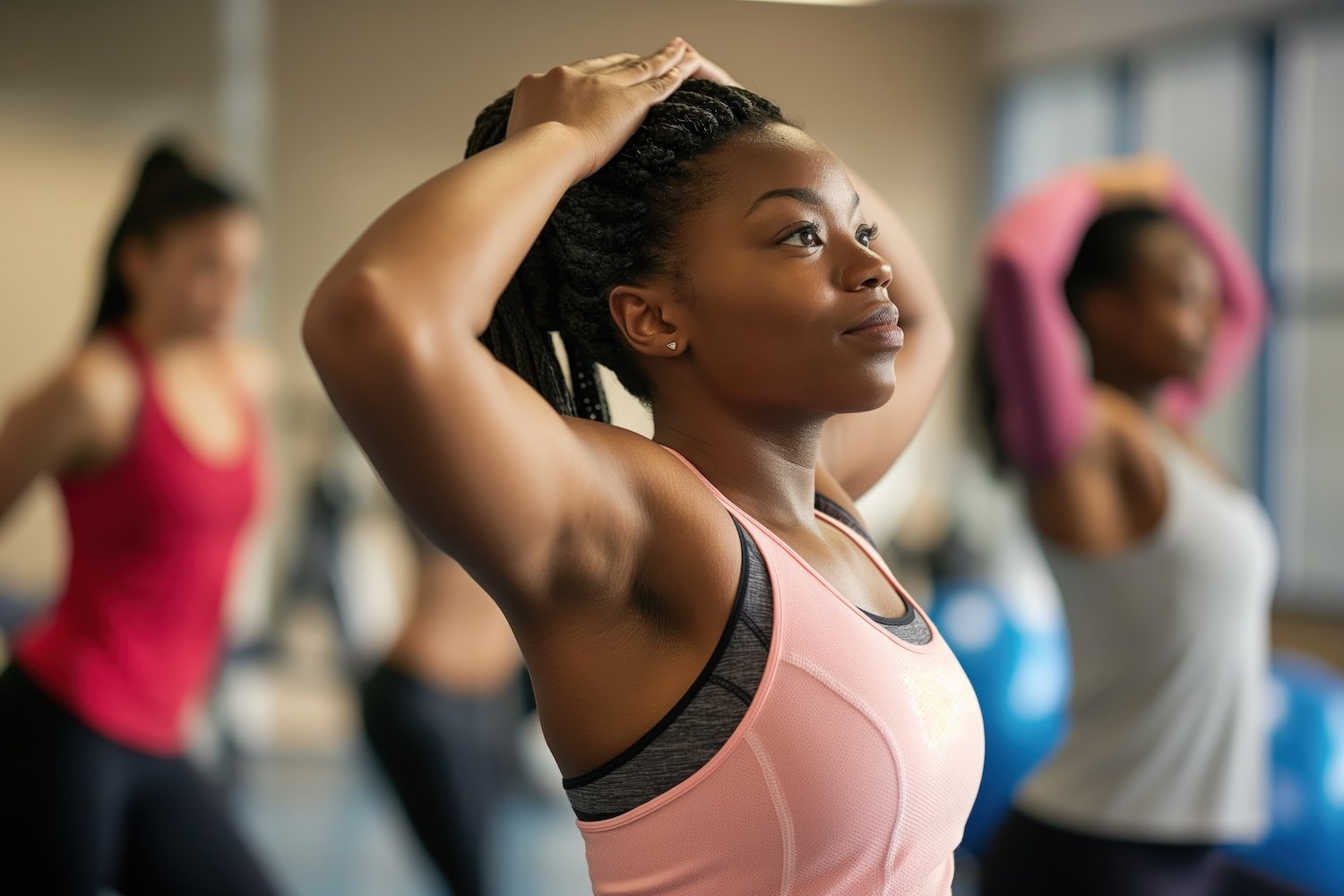
Hey there, everyone! Let’s talk about something that’s vital for all of us: physical activity. It’s not just about fitting into your favourite jeans or looking good in a swimsuit; it’s about taking care of your overall health and well-being. If you’ve ever wondered how you can make small changes to feel better, this is for you! We’re going to explore how regular exercise can help your health and how you can get moving, no matter your age or fitness level.
Why is Physical Activity so Important for Women?
Regular physical activity is one of the most valuable things you can do for your health. It’s not just about looking good; it’s about feeling good and living a longer, healthier life. Physical activity can help:
- Lower your risk of diseases: It can significantly reduce your chances of getting heart disease, stroke, type 2 diabetes, breast cancer, and colon cancer.
- Improve your mental health: Exercise can be a great mood booster. It helps relieve symptoms of depression and can improve the quality of your sleep.
- Manage your weight: Combining physical activity with healthy eating can help you lose weight or maintain it as you get older.
- Strengthen your bones and muscles: As we age, it’s essential to keep our bones and muscles strong. Physical activity helps with this, preventing hip fractures and decreasing pain from arthritis.
- Maintain Independence: Staying active helps you maintain the ability to do everyday tasks like dressing, bathing, and eating.
So, let’s dive into how we can make physical activity a regular part of our lives!
Physical Activity and Ageing
It’s worth noting that the benefits of physical activity extend to all ages, and becomes increasingly important as we get older. It helps to keep bones strong, prevent hip fractures, decrease pain from arthritis and prevent dementia. It also helps maintain the independence to do basic everyday activities, like getting dressed, going to the bathroom, bathing, and eating.
How Much Physical Activity Do You Need?
Now, you might be thinking, “Okay, I get it, exercise is great, but how much do I actually need to do?” The good news is, you don’t need to spend hours in the gym every day to see benefits. It is also true that the more physical activity you do, the more your health benefits. Here’s a guide, based on recommendations from the Physical Activity Guidelines:
Aerobic Activity
- Moderate-Intensity Activity: Aim for at least 2 hours and 30 minutes (150 minutes) each week. This is the kind of activity that makes your heart beat faster, but you can still carry on a conversation. Think of a brisk walk for 30 minutes, five times a week.
- Vigorous-Intensity Activity: If you prefer something more intense, aim for 1 hour and 15 minutes (75 minutes) of vigorous activity each week. This is when you’re breathing hard, and it’s tough to talk. This could be a 40-minute jog or step class twice a week.
- Combination: You can also mix moderate and vigorous activities.
- Consistency: Try to spread your activity out over the week, aiming for at least three days.
Muscle-Strengthening Activities
- Include muscle-strengthening activities on two or more days each week. These are activities that work all your major muscle groups (legs, hips, back, chest, abdomen, shoulders, and arms).
- Allow a day of rest between sessions to avoid stressing your muscles and joints.
Remember, any physical activity is better than none. If you can’t do the recommended amounts at first, just start where you are and gradually increase. You need to be active for at least 10 minutes at a time to get health benefits.
What Counts as Physical Activity?
Physical activity is more than just going to the gym. It includes:
- Aerobic activities like running, dancing, swimming, or even brisk walking. Aerobic activities make you breathe harder and your heart beat faster.
- Muscle-strengthening activities such as lifting weights, using resistance bands, or doing exercises like yoga, sit-ups, or push-ups. These types of activities are essential for daily strength and can help with activities such as climbing stairs or carrying groceries.
Remember that normal activities of daily living, like cleaning or walking from the car park, do not count toward the weekly goals. You should aim for the weekly physical activity guidelines in addition to normal daily activities.
Starting Your Physical Activity Journey: Tips and Insights
Okay, so you’re ready to get moving. But where do you start? Here are some tips to help you get going:
Getting Started
- Start Slow: If you’re new to exercise, start with shorter sessions and gradually increase the time and intensity.
- Talk to Your Doctor: If you have any health conditions or concerns, chat with your doctor or nurse before starting any new exercise program. They can help you create a plan that’s safe and healthy for you.
- Find Activities You Enjoy: The key is to choose activities that you like and that fit into your lifestyle. If you hate running, don’t force yourself to run! Maybe dancing or swimming is more your style.
- Make it a Habit: Try to incorporate physical activity into your daily routine. Perhaps you could walk to work or take the stairs instead of the lift.
Muscle-Strengthening Activities: Debunking Myths
Many women avoid weightlifting or strength training because they are afraid of “bulking up”. But women’s bodies are different from men’s. Women have more body fat and less muscle, and it is very unlikely you will become bulky from strength training, unless you are a professional body builder or athlete. Strength training or weightlifting is very healthy for most women.
Physical Activity and Weight Management
Physical activity is also crucial for managing your weight. It can help you lose weight, maintain your weight, or avoid gaining weight.
- Weight Loss: The best way to lose weight is to combine healthy eating with exercise. How quickly you burn calories depends on individual factors like your genes, biology, and past.
- Avoiding Weight Gain: The amount of physical activity you need to maintain your weight varies from person to person. Some women can maintain their weight with five hours or less of moderate-intensity activity per week, while some may need more. Talk to your doctor to figure out what works best for you.
- Menopause: After menopause, many women find it harder to maintain their weight. You may need to increase your physical activity and reduce your calorie intake.
Overweight and Underweight
It’s important to note that if you are underweight due to an eating disorder, you should not exercise unless your doctor advises you to do so. Women who have overweight or obesity should also speak with a doctor before beginning an exercise program.
Making Exercise a Part of Your Life
Physical activity doesn’t have to be a chore. It can be something you look forward to. Here are a few ways to make it a part of your life:
- Set Realistic Goals: Don’t try to do too much too soon. Start with small, achievable goals, and build from there.
- Find an Exercise Buddy: Exercising with a friend or family member can help keep you motivated.
- Schedule It In: Treat your workouts like important appointments, and schedule them into your day.
- Make it Fun: Choose activities that you enjoy and that make you feel good. Listen to your favourite music or watch a movie while you exercise.
- Don’t Be Too Hard On Yourself: It’s okay to miss a day. Just get back on track the next day.
Remember that physical activity should be in addition to your regular daily activities. Find ways to incorporate movement into your life, beyond structured exercise.
The Bottom Line: Your Health is in Your Hands
Physical activity is a powerful tool for improving your health and well-being. It’s about finding what works for you and making it a consistent part of your life. The key is to find activities that you enjoy, that fit into your lifestyle, and that keep you motivated.
So, take that first step. Go for that walk, try that dance class, or pick up those weights. You’ve got this! Your body will thank you for it!
