
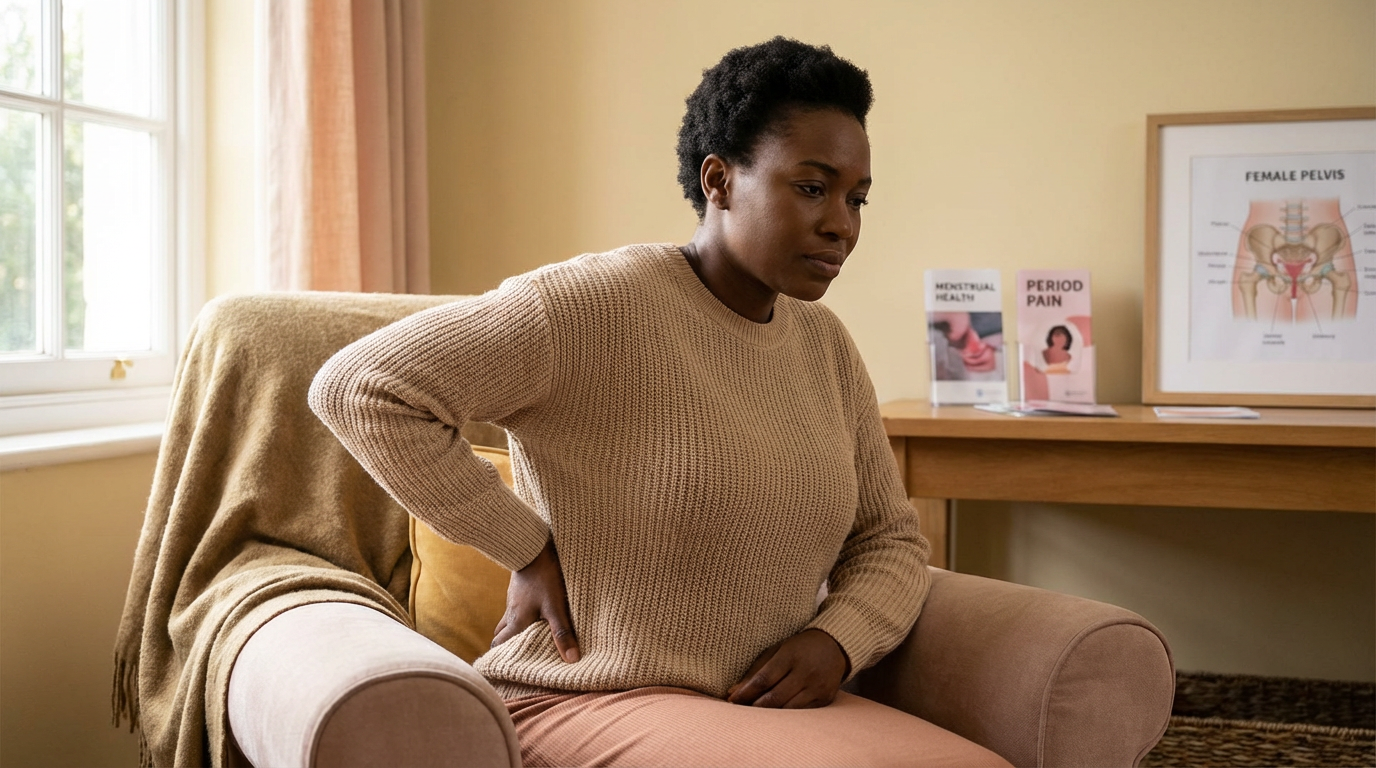
For many people who menstruate, the arrival of a period brings more than just cramps—it can also come with that stubborn lower back pain. That dull, nagging ache can make even simple things like sitting, walking, or sleeping feel like work.
Truth is, you’re not alone. Period-related back pain is very common, affecting a large number of women every month. If you’ve ever thought, “Why does my back act up every time?”—you’re asking the right question.
Let’s break it down so you understand what’s happening in your body—and more importantly, how to deal with it.
What Causes Period Back Pain?
That back pain is not random. Your body is doing a lot behind the scenes during your cycle.
Hormonal Changes
During your menstrual cycle, hormones like estrogen and progesterone keep rising and falling. This shift can cause inflammation and make your muscles tense—especially around the lower back and pelvic area.
Prostaglandins
These are natural chemicals your body releases to help the uterus contract and shed its lining. The problem? High levels can trigger stronger contractions and inflammation, and that pain can spread to your lower back.
Basically, your uterus is doing press-ups… and your back is feeling it.
Underlying Conditions
Sometimes the pain is more intense because of conditions like:
- Endometriosis
- Uterine fibroids
- Pelvic inflammatory disease
If your pain feels extreme or unusual, it’s worth checking it out—don’t just “vumilia.”
Recognizing the Symptoms
The most common sign is a dull, aching pain in your lower back. It usually starts just before your period and can continue into the first few days.
You might also feel:
- Sharp or stabbing pain
- Muscle tightness or spasms
- Pain that moves down your legs
- Tenderness when you touch your lower back
For some people, it’s mild. For others, it can completely disrupt the day.
If you notice heavy bleeding, fever, or strong pelvic pain alongside the back pain—please see a doctor. That’s your body waving a red flag.
Effective Treatments and Management Strategies
Good news—you don’t have to suffer through it every month. There are practical ways to reduce the pain.
Over-the-Counter Pain Relievers
Medications like Ibuprofen or Naproxen can help reduce inflammation and ease the pain.
Start early—don’t wait until the pain is shouting.
Heating Pads and Ice Packs
Heat is your best friend here. A hot water bottle or heating pad relaxes tight muscles and improves blood flow.
If there’s inflammation, try an ice pack for short periods.
Gentle Exercise and Stretching
I know—exercise is the last thing you feel like doing. But light movement like walking, stretching, or yoga helps release endorphins (your body’s natural painkillers).
Keep it gentle. No need to be a hero.
Complementary Therapies
Massage, acupuncture, or even herbal remedies can help relax muscles and reduce discomfort.
Sometimes your body just needs a little extra care—si lazima everything be medicine.
Lifestyle Adjustments
Small habits make a big difference:
- Maintain good posture
- Use a supportive mattress and pillow
- Reduce stress (stress makes pain louder, by the way)
Period back pain can feel like a monthly battle—but it’s not something you just have to endure. Once you understand what’s causing it, you can start managing it in a way that works for your body.
Try different approaches. Pay attention to patterns. Adjust as you go.
And if the pain feels too much or out of the ordinary, don’t guess—get checked.
Your body is not your enemy. It’s just communicating. Learn its language, and you’ll suffer less and live better.
