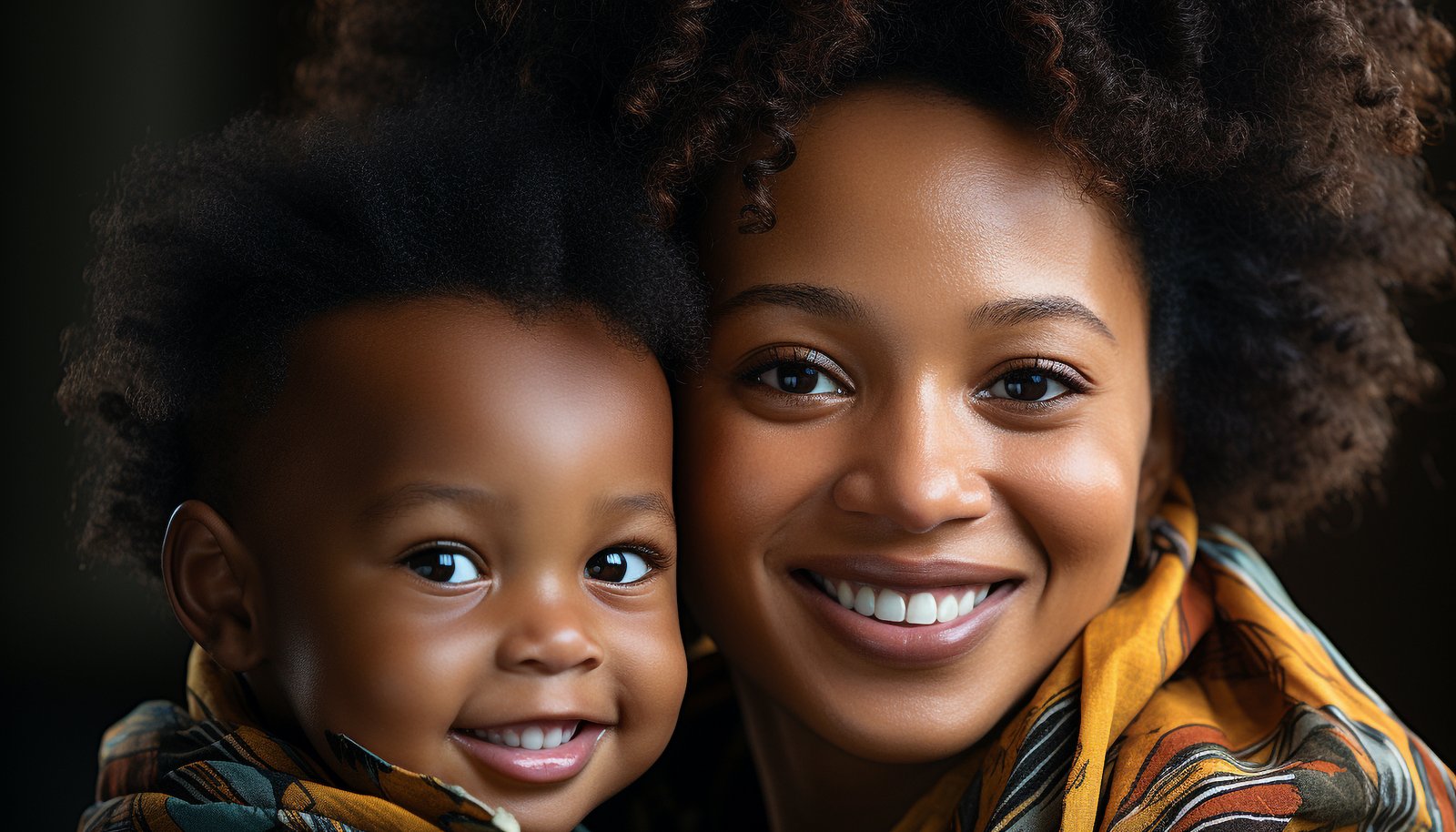
Hey sisters! How are we doing? Let’s talk about something that touches many of us—maternal mental health. We, as African women, carry so much—our families, our communities, our dreams. It’s no secret that pregnancy and motherhood can bring a mix of joy and challenges, and it’s okay if sometimes those challenges feel overwhelming. Have you ever felt like the weight of the world is on your shoulders? You are not alone. Many women experience these intense emotions, but it’s crucial to know that help is available, and you don’t have to go through it alone.
Understanding Maternal Mental Health
Around 1 in 5 women experience mental health issues during pregnancy or within the first year after giving birth. That’s a significant number, yet many women suffer in silence. This is because some women may be scared to speak out about their struggles for fear of judgement. Additionally, not all healthcare providers routinely screen for mental health issues in pregnant women or new parents, and many people find it difficult to get a referral or access proper services.
What Does it Look Like?
It’s so important to know what to look out for, not just for yourself but for the women in our lives. Experiencing mental health issues during pregnancy or postpartum can manifest in several ways, and these feelings can be very intense:
- Intense Emotions: You might feel very sad, angry, withdrawn, or hopeless, which is not typical for you.
- Continued Struggles After the Baby Arrives: These strong feelings of sadness, anxiety, and overwhelm can make it hard for you to take care of yourself or your new baby and/or other children. These feelings are more intense and longer-lasting than what is often called the “baby blues”.
- Changes in Typical Activities: You might withdraw from friends and family, lose interest, joy, or pleasure in the things you used to enjoy, or you might sleep or eat more or less than usual.
- Serious Concerns: In some cases, you might experience more concerning symptoms, like thoughts of harming yourself or your baby, or you may feel a deep sense of hopelessness. In rare cases, some women may hear or see things that aren’t there or feel very confused. Any of these signs could indicate a serious issue and a need for immediate health care provider support.
The Importance of Knowing the Signs
Knowing these signs is the first step toward getting the help you need. It’s not just about recognising what you may be feeling, but also about noticing these signs in our friends and family. If you notice a change in yourself or in someone you know, it’s important to take it seriously.
Why We Need To Talk About It
Let’s be real, sometimes in our communities, there’s a lot of stigma around mental health. Some of us might feel like we have to be strong all the time and that we don’t have the space to express our fears and vulnerabilities. This silence can be damaging, and many women go without proper treatment and support for many reasons.
The Barriers to Getting Help
- Fear of Judgement: Many women are scared to speak out about their struggles for fear of judgement. We might worry about what our families or communities will think.
- Lack of Awareness: Many healthcare providers don’t routinely screen for mental health conditions in pregnant people and new parents. This lack of routine screening can mean we’re not getting the support we need.
- Difficulty Accessing Services: It can be challenging to get a referral or access proper treatment. It can be daunting trying to navigate the healthcare system.
Changing the Narrative
We, as African women, need to change this narrative. We must create a space where we can openly talk about mental health without fear. This is why it’s so important to raise awareness and create safe spaces for conversations about mental health.
Taking Control: You Are Not Alone
The good news is that more and more people are sharing their experiences with mental health during and after pregnancy, and accessible resources for women and families are available now more than ever. It’s okay to ask for help. In fact, it’s a sign of strength.
How to Take Care of Yourself
- Know the Signs: Be aware of the symptoms of maternal mental health issues. The first step is to know what to look out for. If you’re feeling unusually sad, angry, or moody, or if you have strong feelings of guilt, shame, or worthlessness, you should seek support.
- Reach out for Help: Talk to a health care provider if you or a loved one are experiencing any of these symptoms. Don’t keep your feelings to yourself.
- Join a Group: Sometimes talking to others with similar feelings can make a big difference. Look for local support groups or check out websites such as Postpartum Support International’s website to find a virtual community. Connecting with other women who understand what you’re going through can be incredibly empowering.
- Take Care of You: Taking breaks and finding a little time for yourself can help manage your mental health. It’s not selfish; it’s necessary. It can also be helpful to make time to spend with your partner, friends, and family.
- Speak Up: If you feel something’s wrong, don’t keep it to yourself. You know yourself best. Share your concerns with a healthcare provider or someone in your support system and ask for the help you need.
Mental Health Is Always Important
Support and treatment for mental health are just as important as physical health. Mental health challenges when you’re pregnant or after having a baby doesn’t mean you’re a bad parent. It is always okay to ask for the help you need. With support and treatment, recovery is possible.
Let’s Talk About It
We’re all on this journey together, and we need to support each other. Sharing our experiences can make a huge difference in breaking the silence and stigma surrounding mental health.
Key Actions for a Healthier Journey
- Be Informed: Educate yourself about the signs of maternal mental health issues.
- Seek Support: Don’t be afraid to reach out for help if you need it.
- Support Others: If you notice a change in a friend or family member, encourage them to seek help.
- Create Safe Spaces: Let’s create communities where we can talk openly about mental health.
- Be Kind to Yourself: Remember that you are doing your best, and it’s okay to ask for help.
The Takeaway
My dear sisters, your mental health is just as important as your physical health. You are strong, capable, and worthy of a healthy and fulfilling life. Your voice matters, and it’s time to make it heard. Let’s take control of our health, our lives, and create a better, healthier future for ourselves and our communities. Remember, you are not alone, and there is help available. With support and treatment, recovery is possible. Let’s shine a light on maternal mental health and empower each other to seek the care we deserve!
