When Period Pain Is More Than Just “Bad Cramps” – Understanding Endometriosis in Our Communities
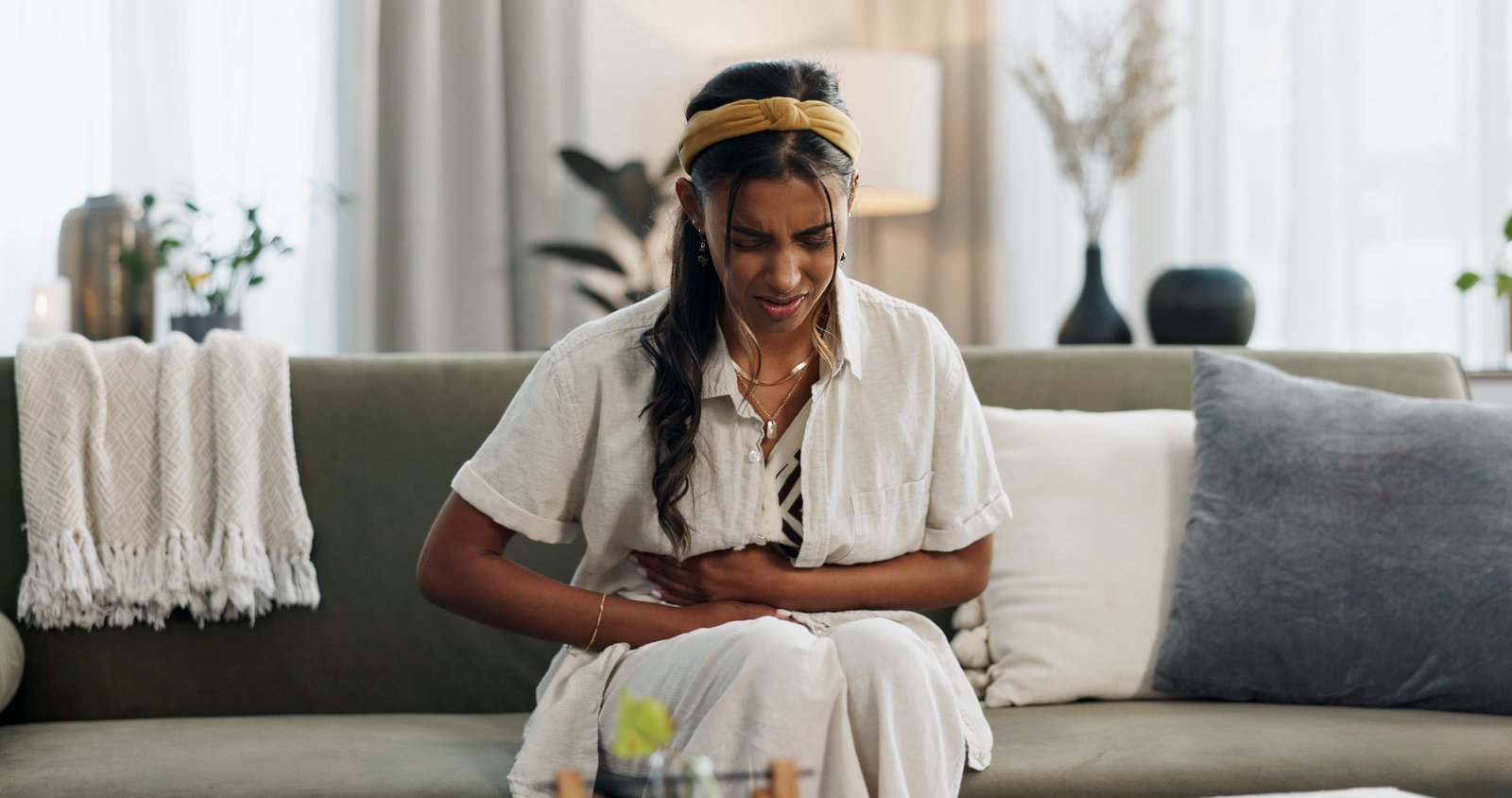
It’s that time of the month, and instead of feeling a bit off, you’re doubled over in pain. You might think, “Oh, it’s just bad period cramps,” but what if it’s something more? For many women across Kenya and Africa, endometriosis is a hidden struggle—a condition shrouded in myths and misconceptions. It’s a condition that affects millions, yet many suffer in silence, unsure of what they are experiencing or how to seek help. In this blog post, we’re going to break down this complex topic into relatable pieces, share some stories, and empower ourselves with knowledge, because let’s face it, knowledge is power!
So, what exactly is endometriosis? It’s when tissue similar to the lining of your uterus (the endometrium) grows outside it—on your ovaries, fallopian tubes, or other pelvic organs. Each month during your cycle, this tissue thickens, breaks down, and bleeds, just like the lining of your uterus. But unlike your normal period, this blood has nowhere to go, causing inflammation, pain, and scar tissue. It’s like having a sneaky guest in your body causing all sorts of trouble. Let’s unpack the early signs, debunk some myths, and find ways to manage this condition holistically.
What is Endometriosis? Breaking Down the Basics
The Sneaky “Guest”: As mentioned, endometriosis occurs when tissue similar to the uterine lining grows outside the uterus. This tissue can be found on the ovaries, fallopian tubes, and other organs in the pelvis. The monthly cycle causes this misplaced tissue to thicken and bleed, just like the lining of the uterus, but the blood can’t escape, leading to inflammation, pain, and scar tissue.
Who Does it Affect? Endometriosis can affect any woman of reproductive age, from teenagers who’ve just started menstruating to women in their 40s. While it’s often diagnosed in women in their 30s and 40s, don’t think you’re “too young” or “too old” to be affected. The condition can significantly impact a woman’s quality of life—physically, emotionally, and socially. It’s not just about period pain; it can affect all aspects of your life.
Recognising the Early Signs: Is It Just Bad Period Pain?
It’s crucial to recognize the early signs of endometriosis so you can seek timely diagnosis and treatment. Many women dismiss these signs, thinking they are just normal period symptoms. But if you’re experiencing any of the following persistently or worsening with each cycle, it might be time to consult a healthcare professional:
- Pelvic Pain: This is often the most common symptom. Many women experience severe cramps before and during their periods. But remember, pelvic pain can also occur at other times in your cycle. It’s not just about “normal” period pain.
- Heavy Menstrual Bleeding: If your periods are heavier than usual or last longer than a week, this could be a sign. It’s not just about using more sanitary pads; it’s about an unusually heavy flow.
- Pain During Intercourse: Experiencing pain during or after sex can be another indicator of endometriosis. It’s something that shouldn’t be ignored.
- Digestive Issues: Symptoms like diarrhoea, constipation, bloating, or nausea—especially during menstruation—can be linked to endometriosis. It’s not always just about what you ate.
- Infertility: For some women, endometriosis is discovered only when they seek help for infertility. It’s a reminder that these symptoms are connected to your reproductive health.
Debunking the Myths: Clearing Up Misconceptions About Endometriosis
There are many myths surrounding endometriosis, which can lead to misunderstandings and delays in diagnosis. Let’s debunk some of these common myths:
- Myth 1: Endometriosis is just bad period pain: While many women experience painful periods (dysmenorrhea), not all severe menstrual pain is due to endometriosis. It’s essential to differentiate between typical menstrual discomfort and pain caused by this condition.
- Myth 2: You cannot get pregnant if you have endometriosis: While endometriosis can affect fertility for some women, many still conceive naturally or with assistance. It doesn’t mean you are destined to struggle with infertility if you have endometriosis.
- Myth 3: Endometriosis only affects older women: Teenagers can also suffer from this condition. It’s important for young women to be aware of their bodies and seek help if needed.
Diagnosis: How Doctors Figure It Out
Diagnosing endometriosis can be tricky because its symptoms overlap with other conditions like fibroids or pelvic inflammatory disease. Here’s how healthcare professionals typically diagnose it:
- Medical History: Your doctor will ask about your symptoms and menstrual history. Be open about what you’re experiencing; every detail matters!
- Physical Examination: A pelvic exam may be performed to check for abnormalities such as cysts or scars behind the uterus.
- Imaging Tests: Ultrasounds or MRIs can help identify cysts associated with endometriosis but may not provide a definitive diagnosis.
- Laparoscopy: This surgical procedure allows doctors to view the pelvic organs directly and take biopsies if necessary. It’s often considered the gold standard for diagnosing endometriosis. It’s a way to get a clear picture of what’s going on.
Holistic Pain Management Strategies: Beyond Medication
While medication is often prescribed for managing pain associated with endometriosis, many women seek holistic approaches that address both physical and emotional aspects of their health. These strategies are particularly relevant in a cultural context where traditional remedies are commonly used.
Dietary Changes
What we eat significantly impacts our bodies. Here are some dietary tips:
- Anti-inflammatory Foods: Incorporate foods rich in omega-3 fatty acids (like fish), fruits, vegetables, nuts, and whole grains into your diet. These can help reduce inflammation associated with endometriosis. Think of it as feeding your body with the right tools to fight inflammation.
- Limit Processed Foods: Reducing sugar and trans fats found in processed foods may alleviate symptoms for some women. It’s about making healthier choices that support your body.
- Stay Hydrated: Drinking plenty of water helps maintain overall health and can ease bloating. Hydration is key for overall well-being.
Physical Activity
Regular exercise can help manage pain and improve mood.
- Engage in gentle activities like walking or yoga to promote blood flow and reduce stress. It’s about finding movement that feels good for your body.
- Strength training can also be beneficial; just remember to listen to your body! Don’t push yourself too hard, especially on bad days.
Mindfulness Practices
Stress management plays a crucial role in managing chronic pain.
- Consider incorporating mindfulness practices such as meditation or deep-breathing exercises into your daily routine. It’s about finding moments of calm amidst the chaos.
- Journaling about your experiences can also provide emotional relief—allowing you to express feelings that may otherwise remain bottled up. It’s a way to process and understand your emotions.
When to Seek Professional Help: Don’t Suffer in Silence
If you suspect you have endometriosis based on your symptoms or have been diagnosed but feel overwhelmed by managing your condition alone, don’t hesitate to reach out for support:
- Consider joining local support groups where you can connect with others who understand what you’re going through. There’s power in sharing your experiences.
- Seek out healthcare professionals who specialize in treating endometriosis—having someone knowledgeable on your side makes all the difference!
Let’s Break the Silence and Support Each Other
Endometriosis is a complex condition that requires understanding and compassion—both from ourselves and those around us. By recognizing early signs, debunking myths, seeking timely diagnosis, and exploring holistic pain management strategies together, we empower ourselves toward better health outcomes. Remember: you are not alone on this journey; many women share similar experiences. Let’s embrace open conversations about reproductive health within our communities; knowledge is power!
As we continue advocating for awareness around conditions like endometriosis across Kenya and Africa at large—let’s stand together in support of one another! Whether you’re sipping chai with friends discussing health issues or sharing experiences at community gatherings—let’s keep the conversation going! Together we can shine a light on these important topics while fostering understanding and compassion within our communities.
Your Actionable Takeaway:
Pick one step: be more aware of your body’s signals, find a local support group, or talk openly about your experiences with a friend. Remember, you are part of a community and your health journey is important.
