
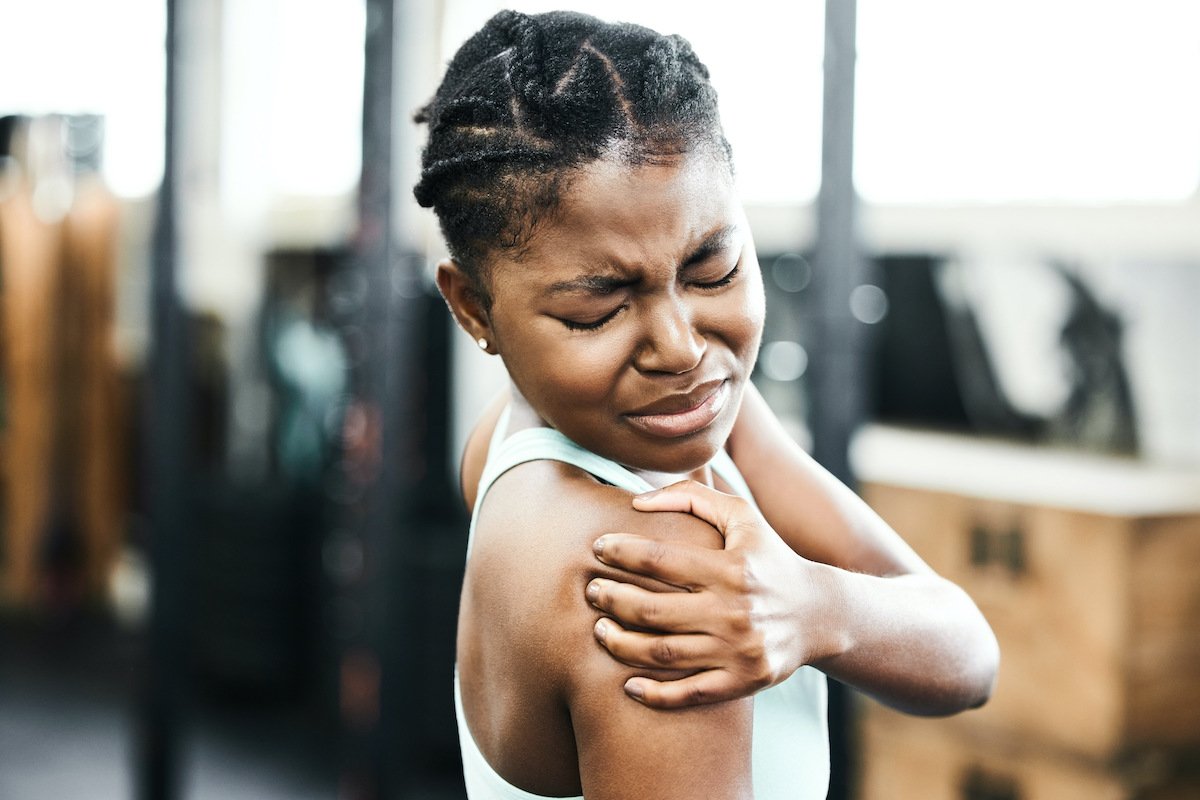
Got those achy joints bugging you as menopause kicks in? You’re not alone! Dealing with menopause and its bag of surprises like joint pain isn’t a walk in the park, but knowing what’s behind it and how hormones, specifically estrogen, play their part can be your first step in tackling this pesky problem.
Causes of Joint Pain
More than half of women in their middle years find themselves grumbling about joint issues as menopause rolls in, courtesy of banging hormones and menopause’s many charms. A big player in this sensation? The see-saw of estrogen levels. Normally, estrogen’s a bit of a superhero for your joints—keeping inflammation in check, and ensuring that muscles and tissues do their job smoothly. But drop those estrogen levels, and you’ll find yourself creaking like an old, un-oiled hinge (Medical News Today).
Impact of Fluctuating Estrogen Levels
Menopause is a bit like a hormonal rollercoaster. Estrogen, the peacekeeper, helps keep those joints slick and moving without much fuss. But as these levels go haywire, the joints miss out on their pampering, leading to them feeling more like grinding gears—ouch. This estrogen vacuum can leave your joints more breakable, causing more nags, swelling, and less flexibility.
Breathing easy with the help of hormone replacement therapy (HRT) might just be what you need. It’s all about giving those hormones a helping hand and leveling out the balance to keep joint aches at bay (Healthline).
Grasping why your joints are moaning and groaning during menopause and how those fluctuating estrogen levels add to the chorus gives you the upper hand. With this understanding, shake off those cobwebs of joint pain and stay on top of your game during this transition. Your joints might complain, but you don’t have to listen! Arm yourself with information, seek the right advice, and keep on with your daily routine without skipping a beat.
Managing Menopausal Joint Pain
When it’s about dealing with menopause joint pain, blending simple but effective tricks into your routine can ease that nagging discomfort and boost your everyday life. Let’s break it down: exercise regularly and maybe consider Hormone Replacement Therapy (HRT).
Importance of Exercise
Physical activity, especially the kind where you lift weights, matters a lot for fighting off menopausal joint pain. Lifting weights has been praised as a lifesaver. It strengthens muscle support around your joints, giving them the backup they need and taking the pressure off. Plus, it’s like a mini cleaning session in your joints—it helps them stay lubricated and works out any rubbish by amping up synovial fluid production.
You should know that shedding some pounds can put a spring in your step if your joints are complaining during menopause. Dropping just a bit, around 10% of your body weight, can take a load off those creaky joints, especially the knee kind that carry your weight all day. Not only does this lift some of the pain, but it also helps you move better and feel great overall, inside and out.
Want more tips on how losing weight can help you feel better during menopause? Check out our article on menopause weight gain.
Role of Hormone Replacement Therapy (HRT)
Thinking about Hormone Replacement Therapy (HRT) for your joint pain? Many women say they feel better after starting HRT. This therapy tops up those female hormones that start to drop and drag your joints into the chaos as you hit menopause.
Getting those hormone levels back on track can ease lots of those annoying menopause woes, like joint pain. But, before jumping into it, sit down with your doctor to see if HRT fits well with how you’re doing health-wise and what you’d rather do.
For a deeper look into how Hormone Replacement Therapy could help with menopausal joint pain, take a gander at our article on perimenopause symptoms.
Mixing good-old exercise with possibly trying out hormonal treatments like HRT offers you a solid way to tackle menopausal joint pain. Make sure you check in with health gurus to whip up a plan that’s right on the money for what you need, giving you lasting comfort and well-being.
Long-term Considerations
Dealing with joint pain during menopause is no picnic, and sadly, it might stick around even after menopause has bid its farewell. More than half the women out there find themselves in a tussle with joint pain or arthritis during menopause, and a fair number of them continue with this battle post-menopause.
Persistent Pain After Menopause
Yep, that joint pain can hang on like a bad habit. It doesn’t go poof when menopause ends. This nagging nuisance can sometimes mess up your daily plans, throwing a wrench into your quality of life. But don’t throw in the towel just yet! Understanding this issue helps you stay on top of comfort and movement in your everyday routine.
Strategies for Long-term Relief
Switching up some habits can go a long way toward easing those joint ails. Try weaving these tips into your life for a bit of relief:
- Shake a Leg: Keeping active isn’t just for the young folks. Exercise can be your ally in dealing with post-menopausal joint troubles. Moving around a bit helps keep your joints limber and your muscles strong. Plus, it helps you avoid extra pounds, which is kind to your joints.
- Eat Smart: Food can be your friend or foe. Help your joints out by munching on anti-inflammatory foods like fruits, veggies, nuts, and fish rich in omega-3s. Drinking water like it’s nobody’s business keeps those joints nice and slick too.
- Mind the Scales: Shedding a few pounds can do wonders. Dropping even 10% of your weight can give your knees a break and ease your pain. Keep at it with a balanced diet and some regular exercise, and your joints will thank you.
- Magic Pills (or not): Meds like Hormone Replacement Therapy (HRT) might lessen the pain for some women, turning down the volume on the joint pain. It’s worth having a chat with your doc to see if it’s your cup of tea.
Taking care of yourself post-menopause by moving, eating right, watching your weight, and maybe even chatting with your doctor about meds, can help manage that pesky joint pain. By putting your joint health in the driver’s seat, you steer yourself toward better living and more freedom to enjoy life as you move into this new chapter.
