
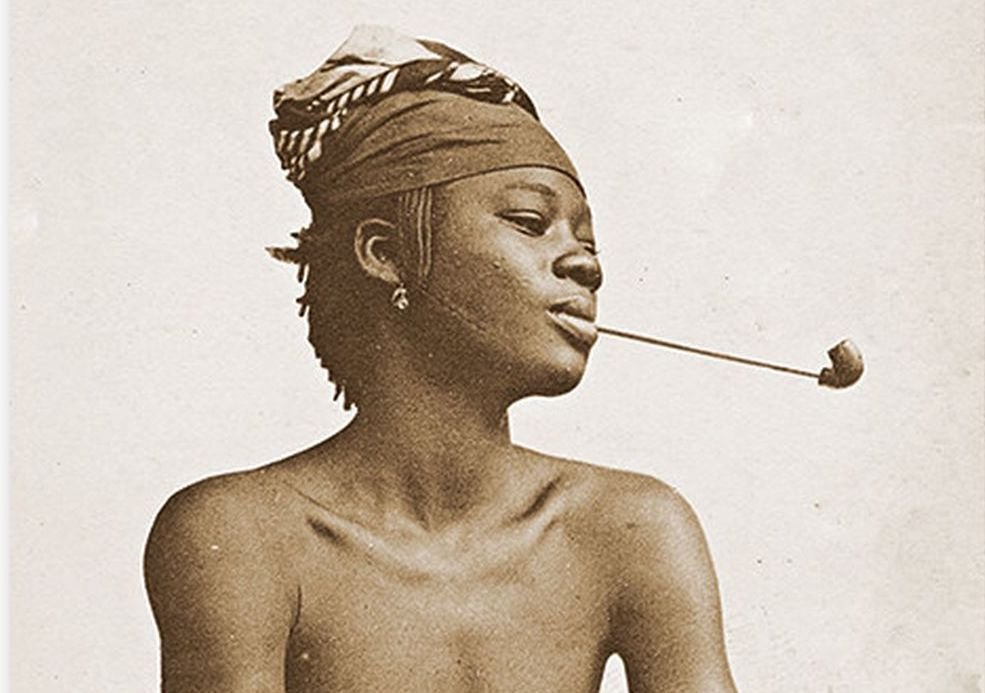
Few figures in West African history shine as brightly as Aline Sitoe Diatta. Born in a small village in Casamance, Senegal, Aline’s life is a testament to the power of courage, vision, and unwavering determination in the face of oppression. As a Jola leader who challenged the French colonial regime during a particularly repressive period, she not only led a movement of tax resistance and cultural revival but also redefined leadership by elevating the role of women in spiritual and political life. Her legacy continues to inspire women across Senegal and the entire region, serving as a beacon of hope and empowerment.
Roots of Courage: Early Life in Casamance
Childhood in Kabrousse
Aline Sitoe Diatta was born in the village of Kabrousse, nestled in the lush region of Casamance in southern Senegal. Her early life, although marked by hardship, was imbued with the rich cultural traditions and spiritual heritage of the Jola people. Orphaned at a young age, Aline was adopted by her uncle, Elubaliin Diatta. Her formative years were influenced deeply by the values of community, resilience, and the spiritual practices of her people. Even in her youth, she exhibited an unyielding spirit and an innate desire to challenge injustices.
“I was raised on stories of our ancestors—of bravery, of standing up for what is right. Those tales sparked in me the flame of resistance,” Aline is said to have reflected in later retellings of her early life.
Imagine a young girl, barefoot and curious, roaming the fields of Kabrousse, absorbing the lore of her people and dreaming of a future where her voice could bring change. This was the beginning of a journey that would one day make her a national symbol.
Nurturing the Mind: Education and Intellectual Growth
A Foundation in Local Wisdom and Global Learning
Although formal educational opportunities in rural Casamance were limited, Aline Sitoe Diatta’s thirst for knowledge led her to seek out learning wherever it was available. Moving from Kabrousse to work in Ziguinchor and later Dakar, she embraced the challenges of urban life while never losing touch with her roots.
Her journey from a village to the bustling streets of Dakar was more than a physical relocation—it was a journey into a broader world of ideas and possibilities. In Dakar, she immersed herself in the intellectual currents of the time, absorbing influences from traditional wisdom and modern thought alike. The cultural and political ferment of the city provided the perfect backdrop for a budding activist to understand the complexities of colonial rule and its impacts on her community.
Learning to Lead
Though Aline did not attend formal higher education institutions in the modern sense, her education was forged in the crucible of lived experience and oral tradition. Through conversations with elders, participation in communal rituals, and direct involvement in the socio-political life of her community, she learned the art of leadership and conflict resolution. Her insights into the importance of preserving cultural identity while challenging oppressive systems became the cornerstone of her later activism.
“Knowledge is not only found in books—it lives in the stories of our people and in the heartbeat of our communities,” she is often remembered saying.
This philosophy, born of a blend of indigenous wisdom and the exigencies of colonial resistance, prepared Aline for the challenging road ahead.
Rising Against Oppression: The Era of Colonial Resistance
The French Colonial Context
During World War II, the French colonial administration in West Africa faced mounting challenges as it sought to extract resources to support its war effort. In Casamance, the situation was particularly dire. In 1942, the French government began seizing up to half of the local rice harvest to fuel its war machine, and plans were set in motion to replace subsistence rice production with cash crops like peanuts. This drastic change threatened not only the food security of the local population but also their traditional ways of life.
Aline’s Vision and the Call to Resistance
It was in this atmosphere of repression that Aline Sitoe Diatta emerged as a leader. Claiming a direct revelation from the supreme being, Emitai, she rallied her people against policies that she believed were designed to subjugate them. Aline’s movement was rooted in both spiritual conviction and practical resistance. She argued that the French colonial development plans were disruptive to the sacred traditions of the Jola people, harmful to the land’s fertility, and detrimental to women’s economic independence.
“The plans imposed on us do not honor our spirit. They bind us to dependency and weaken the very fabric of our community,” she proclaimed, rallying market women and community members alike.
Her leadership during this period was revolutionary. By mobilizing local women—who had traditionally been sidelined in political matters—she transformed the landscape of resistance. The boycott initiated by market women under her guidance was so successful that it forced the French authorities to confront the burgeoning power of indigenous resistance.
Imprisonment and Martyrdom
However, bold acts of defiance came at a great cost. In 1943, as the colonial authorities sought to quash the uprising, Aline Sitoe Diatta and many of her followers were arrested. The harsh conditions of imprisonment and the inhumane treatment meted out to her supporters underscored the brutality of colonial rule. Ultimately, Aline was deported to a jail in Timbuktu, Mali, where she died of disease on May 22, 1944.
Her death transformed her into a martyr—a symbol of the fight for freedom and self-determination. Today, Aline Sitoe Diatta is revered as a national heroine in Senegal, and her legacy is celebrated through schools, stadiums, and even a passenger ferry named in her honor.
The Legacy of Aline Sitoe Diatta: Enduring Impact on Society
A National Symbol of Resistance
Since her death, Aline Sitoe Diatta’s memory has been enshrined in the hearts of Senegalese people. In Casamance, she remains a potent symbol of resistance against oppression. The naming of educational institutions, public spaces, and even coins in her honor reflects the enduring impact of her legacy. These tributes are not just commemorative—they serve as daily reminders of the power of collective action and the importance of standing up for one’s rights.
Inspiration for Women and Future Generations
Aline’s life continues to inspire women across West Africa and beyond. By defying traditional gender roles and leading a resistance movement at a time when female leadership was almost unheard of, she paved the way for future generations of women. Her courage demonstrated that leadership is not a privilege reserved for men but a calling that can be answered by anyone with the will to change the world.
Her famous moniker, “La femme qui était plus qu’un homme” (“the woman who was more than a man”), encapsulates her indomitable spirit and the way she transcended societal expectations. For many young women in Senegal, her story is a beacon of hope—a reminder that with courage, resilience, and determination, they too can rise above the constraints imposed by tradition and external oppression.
Challenging Colonial Narratives and Empowering Communities
Aline Sitoe Diatta’s movement was not merely political—it was also deeply cultural. By asserting the importance of indigenous traditions and spiritual practices, she challenged the colonial narrative that sought to undermine the identity of the Jola people. Her call for a return to cultural values and the empowerment of local communities has resonated through the decades.
Today, her legacy is evident in various grassroots movements that emphasize the importance of cultural pride, economic independence, and social justice. These movements continue to draw inspiration from her example, advocating for policies that honor indigenous knowledge and promote self-determination.
Meaningful Lessons from Aline Sitoe Diatta’s Journey
The Power of Resilience and Determination
One of the most enduring lessons from Aline’s life is the power of resilience. Despite the immense hardships she faced—from colonial exploitation to imprisonment—she never wavered in her commitment to justice. Her unwavering determination in the face of overwhelming odds reminds us that every challenge is an opportunity to stand up and fight for what is right.
“I knew that if we remain silent, our voices would be forever lost. I had to speak, even if my words were small compared to the weight of our suffering.”
The Importance of Cultural Identity and Unity
Aline’s leadership was deeply rooted in the belief that preserving cultural identity is essential to community strength. By embracing the spiritual heritage of the Jola people, she united her community against a common enemy—colonial oppression. Her example teaches us that our traditions and values are powerful tools for resistance and transformation.
“Our customs, our languages, and our collective memories are the very fabric of our strength. In them lies the power to defy those who seek to erase us.”
Empowering Women to Lead
Aline Sitoe Diatta broke barriers not only by challenging colonial policies but also by redefining the role of women in society. Her leadership proved that women can be at the forefront of social and political change. For young women everywhere, her story is a call to embrace their potential and pursue leadership roles in every sphere of life.
“I was told that a woman’s place was in the home. I said, ‘My home is wherever I choose to build it, and my voice will be heard wherever I stand.’”
The Value of Sacrifice in the Pursuit of Justice
Aline’s ultimate sacrifice—her life—serves as a poignant reminder of the cost of freedom. Her martyrdom is not in vain; it has galvanized generations of activists and leaders to continue the fight against injustice. Her life teaches us that the path to change is often steep, but the legacy of sacrifice can inspire others to rise up and continue the struggle.
A Personal Reflection: Connecting with Aline’s Spirit
Imagine standing in the heart of Casamance, where the whispers of history echo through the villages and the spirit of Aline Sitoe Diatta lingers in the air. As you walk past the Cité Aline Sitoe Diatta in Dakar or watch the MV Aline Sitoe Diatta gliding through the waters, you are reminded of a woman who defied the odds.
Her story invites us to reflect on our own lives. What are the challenges that we face? How can we harness our inner strength to overcome them? Aline’s journey encourages us to ask ourselves: How can we, like her, transform adversity into a force for change?
Her legacy is not confined to the pages of history books. It lives on in every act of defiance against oppression, in every protest for justice, and in every young woman who dares to challenge the status quo. Aline’s life is a call to action—a challenge to all of us to stand up, speak out, and make our voices heard.
The Modern Relevance of Aline Sitoe Diatta’s Legacy
Inspiring Social Movements
Across West Africa, Aline’s legacy has inspired numerous social movements that seek to reclaim cultural pride and demand justice from oppressive systems. From grassroots campaigns in rural villages to national protests in urban centers, her story has been told and retold as a symbol of what is possible when communities unite for a common cause.
Educational Initiatives and Cultural Programs
In Senegal, institutions such as the Girls University Students Hostel Campus and local schools have been named in her honor, ensuring that her legacy continues to inspire future generations. These initiatives serve not only as memorials but also as functional institutions that promote education, cultural preservation, and community empowerment. By integrating her story into educational curricula and public programs, her message of resilience and unity is passed on to the youth.
Women’s Empowerment and Leadership Training
Aline Sitoe Diatta’s example has also spurred initiatives aimed at empowering women to assume leadership roles. Programs and workshops inspired by her life encourage young women to challenge traditional gender roles, pursue education, and become active participants in political and social spheres. Her life is a powerful reminder that leadership is not reserved for a select few—it is a mantle that can be taken up by any woman who dares to dream big.
A Source of National Pride
For many Senegalese, Aline is a national heroine—a symbol of the fight against colonial exploitation and a reminder of the sacrifices made in the pursuit of freedom. Her image and story are celebrated in festivals, cultural events, and public commemorations. This enduring pride in her legacy strengthens the national identity and inspires a renewed commitment to justice and social progress.
Aline Sitoe Diatta in Her Own Words
Throughout her life, Aline Sitoe Diatta’s words resonated with power and conviction. Although many of her speeches and proclamations were delivered in the heat of struggle, the essence of her message remains timeless. Here are a few quotes attributed to her, which continue to inspire:
“I will not be silenced. I will stand up for my people, for our land, and for the freedom that is our birthright.”
“Our culture is our strength. In every harvest, in every song, we find the promise of tomorrow.”
“If my sacrifice can kindle the flame of resistance in even one heart, then my life has not been in vain.”
These words encapsulate the spirit of resistance, unity, and hope that defined her life. They serve as a reminder that the fight for justice is eternal, and that each generation must continue the struggle for freedom and equality.
Actionable Key Takeaways for Aspiring Leaders
Aline Sitoe Diatta’s legacy is not only a historical account—it is a living source of inspiration that offers practical lessons for women and leaders everywhere. Here are some actionable key takeaways drawn from her life and work:
- Embrace Your Heritage:
Understand that your cultural roots and traditions are not barriers but sources of strength. Use them to build your identity and drive your vision for the future. - Speak Out Against Injustice:
Do not be afraid to raise your voice, even if it means going against established norms. Your courage can inspire others and spark a movement for change. - Pursue Education Relentlessly:
Whether through formal schooling or the wisdom passed down through generations, commit to lifelong learning. Education is the foundation upon which empowerment is built. - Lead with Empathy:
True leadership is about understanding and valuing the experiences of others. Listen actively and work towards solutions that uplift your community. - Transform Adversity into Opportunity:
Every setback is an opportunity to learn and grow. Use challenges as stepping stones to become stronger and more resilient. - Empower Other Women:
Mentor, support, and collaborate with other women. Building a network of empowered women creates a ripple effect that can transform communities. - Innovate for Change:
Look for creative solutions to long-standing problems. Whether it’s through technology, grassroots organizing, or new educational programs, innovative thinking can pave the way for progress. - Honor Sacrifice:
Remember that the fight for justice often comes with personal sacrifice. Honor those who have given everything by continuing their legacy with integrity and passion.
A Call to Action: Ignite Your Inner Flame
Aline Sitoe Diatta’s journey from a small village in Casamance to becoming a symbol of resistance against colonial oppression is a beacon for every woman seeking to break free from constraints and build a future of her own making. Her story challenges us to question injustice, celebrate our cultural identity, and embrace the power of unity and resistance.
As you reflect on her life, ask yourself:
- How can I use my cultural heritage to empower my community?
- What steps can I take today to challenge injustice in my own environment?
- How can I mentor and uplift other women so that together we create lasting change?
Let Aline’s legacy be your inspiration. Whether you’re a student, a professional, or a community leader, know that your voice matters. Embrace your potential, stand tall in the face of adversity, and let your actions contribute to a more just, equitable, and peaceful future.
The time is now to ignite the spark within you—transform adversity into opportunity and lead with courage and compassion. Your journey toward empowerment begins today.
Key Takeaways
- Embrace Your Heritage: Draw strength from your cultural identity and use it as a foundation for change.
- Speak Out Against Injustice: Never be afraid to raise your voice in defense of what is right.
- Pursue Education: Commit to lifelong learning and let knowledge empower your decisions.
- Lead with Empathy: Listen, understand, and work together with your community for lasting peace.
- Transform Adversity: View every challenge as an opportunity to learn and grow.
- Empower Other Women: Create networks and mentor future leaders to build collective strength.
- Innovate for Change: Seek creative solutions that address the root causes of social injustice.
- Honor the Legacy of Sacrifice: Remember that the fight for freedom and justice often demands personal courage and sacrifice.
Aline Sitoe Diatta’s life is a testament to the power of resistance, unity, and the enduring spirit of women who dare to dream of a better future. Let her story inspire you to take action, to stand up for your rights, and to become the change you wish to see in the world.
Credible Sources
- Wikipedia: Aline Sitoe Diatta
- Toliver, Wilmetta Jesvalynn. Aline Sitoe Diatta: Addressing Historical Silences through Senegalese Culture. UMI Dissertation Services, 2002.
- Schwarz-Bart, Simone, et al. In Praise of Black Women: Modern African Women. Univ of Wisconsin Press, 1999.
- Le Quotidien Article: Journées culturelles Aline Sitoé Diatta, 23 February 2004.
- African Resistance and Liberation Website
May the legacy of Aline Sitoe Diatta empower you to lead with courage, inspire others, and transform your community. Embrace the strength of your heritage, pursue your dreams relentlessly, and let your voice be the spark that ignites change. The future belongs to those who dare to stand up and fight for justice.
