
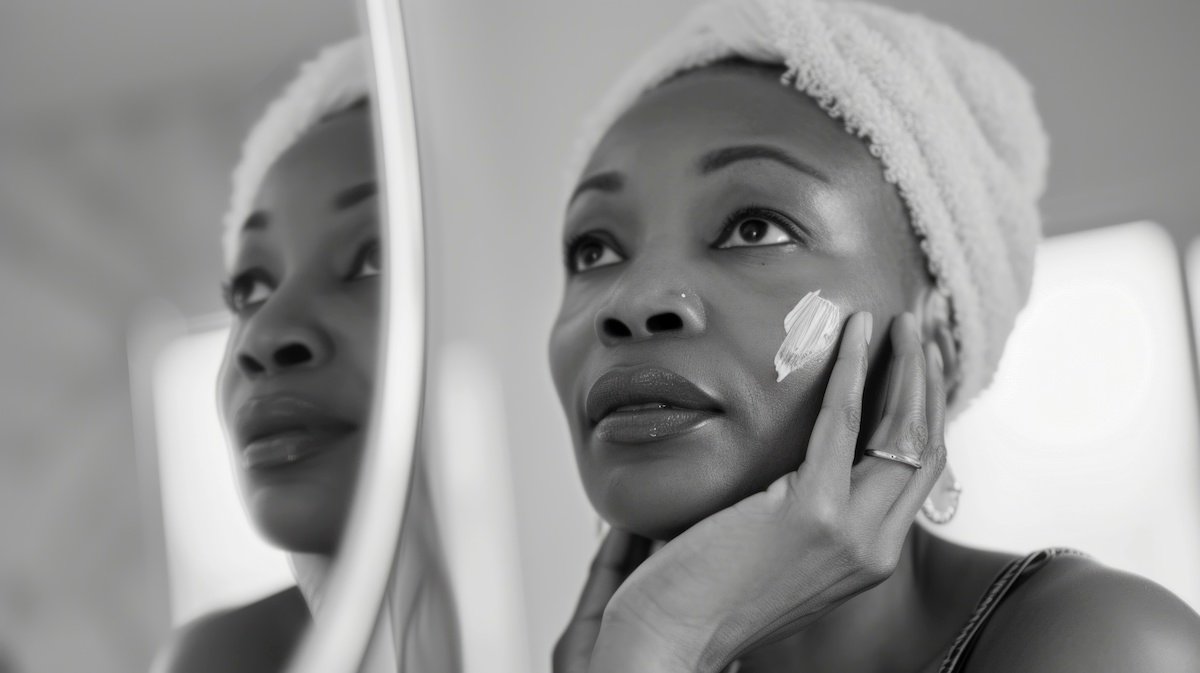
Let’s be real for a second. Skincare can feel like navigating a jungle sometimes, right? Especially when you’re searching for routines and advice that truly cater to dark skin. You might stumble upon countless products promising miracles, intricate routines with more steps than a dance-off, and frankly, a whole lot of confusion.
And listen, I get it. We, with our beautifully melanated skin, have unique needs. Hyperpigmentation? Yes, we know her. Dryness that seems to laugh in the face of regular moisturizers? Been there. Wanting that radiant glow without the fuss? Absolutely!
That’s why this isn’t going to be another one of those guides. We’re ditching the jargon, the complicated steps, and the pressure to buy a million different things. Instead, we’re focusing on building a simple skincare routine that’s actually effective skincare for you. A routine that understands your skin concerns, respects your time, and helps you find some best skincare products that truly work.
Think of this as your friendly guide to skincare simplicity. We’re going to break it down step-by-step, making it so easy, it’ll become second nature. No more overwhelm, just clear steps and happy skin. Sound good? Let’s get started!
Step 1: Know Thy Skin – Understanding Your Unique Canvas
Before we even think about products, let’s talk about you. Your skin is unique, and understanding it is the first – and arguably most important – step in creating an effective skincare routine. Think of it like getting to know a friend before planning a road trip – you need to know their quirks and preferences!
So, what kind of skin friend do you have?
- Oily Skin: Does your skin tend to get shiny throughout the day, especially in your T-zone (forehead, nose, and chin)? You might be dealing with oily skin. This doesn’t mean it’s “bad” skin – oily skin often ages slower! But it can be prone to breakouts and enlarged pores.
- Dry Skin: Does your skin often feel tight, flaky, or even itchy? Perhaps it drinks up moisturizer like it’s water in the desert? That’s likely dry skin. It needs extra love and hydration.
- Combination Skin: The best of both worlds, or maybe the trickiest? You might have an oily T-zone but drier cheeks. This is super common and requires balancing products.
- Sensitive Skin: Does your skin react easily to new products, feeling itchy, red, or irritated? Sensitive skin needs gentle, fragrance-free formulas.
- Normal Skin: Lucky you! Your skin is generally balanced – not overly oily or dry. But even “normal” skin benefits from a good skincare routine!
Take a Moment to Reflect:
Grab a mirror (good lighting is your friend here!). Look closely at your skin. How does it feel? What do you notice?
- Texture: Is it smooth? Are there bumps? Are pores visible?
- Hydration: Does it look plump and dewy, or tight and dull?
- Problem Areas: Are there areas of hyperpigmentation (dark spots)? Acne? Dry patches?
Understanding these nuances will guide you in choosing the best skincare products for your specific needs. It’s like tailoring a dress – it fits best when it’s made just for you!
Actionable Insight: Spend a few days observing your skin in the morning and evening. Note how it feels at different times of the day and in different weather. This simple observation is the cornerstone of building an effective skincare routine.
Step 2: Cleanse Gently – Washing Away the Day (and Night!)
Okay, now that we’ve made friends with our skin, let’s talk cleansing. Think of cleansing as saying “goodbye” to the day’s grime, makeup, and anything else that’s settled on your skin. It’s the foundation of any good skincare routine.
Why is cleansing so important, especially for dark skin?
- Removes Impurities: Pollution, dirt, excess oil – they all accumulate on our skin throughout the day (and even overnight!). Cleansing sweeps these away, preventing clogged pores and breakouts.
- Prepares Skin for Products: Clean skin absorbs serums and moisturizers much more effectively. Imagine trying to paint on a dusty surface – the paint wouldn’t stick well, right? Same with skincare!
- Prevents Hyperpigmentation from Worsening: Inflammation from clogged pores and breakouts can exacerbate hyperpigmentation – a common skin concern for us. Gentle cleansing helps minimize this.
The Gentle Approach:
For dark skin, gentleness is key. Harsh cleansers can strip our skin of its natural oils, leading to dryness, irritation, and even more oil production as our skin tries to compensate. No thanks!
What to Look For:
- Gentle Formulas: Avoid harsh sulfates (like SLS and SLES) that can be drying. Look for cleansers that are labeled “gentle,” “hydrating,” or “for sensitive skin.”
- Cream or Gel Cleansers: These tend to be less stripping than foaming cleansers, especially for dry or combination skin. Oily skin types might prefer a gel cleanser, but still, keep it gentle.
- Ingredients to Love: Look for soothing ingredients like aloe vera, chamomile, glycerin, and hyaluronic acid.
How to Cleanse Like a Pro:
- Morning and Night: Ideally, cleanse twice a day. Morning cleansing refreshes your skin and preps it for the day, while nighttime cleansing removes makeup and daily grime.
- Lukewarm Water: Hot water can be drying. Stick to lukewarm water for rinsing.
- Gentle Circular Motions: Apply cleanser to damp skin and massage in gentle circular motions for about 30-60 seconds. Don’t scrub!
- Pat Dry: Don’t rub your face dry with a towel. Pat gently to leave a little moisture on your skin – this helps with serum and moisturizer absorption.
Product Recommendations (because you knew we’d get there!):
- Budget-Friendly: CeraVe Hydrating Facial Cleanser, Cetaphil Gentle Skin Cleanser – These are classics for a reason! Gentle, effective, and accessible.
- Slightly Spurge-Worthy: La Roche-Posay Toleriane Hydrating Gentle Cleanser, Kiehl’s Ultra Facial Cleanser (gentle version).
Actionable Insight: Switch to a gentle cleanser and see how your skin feels. Notice if it feels clean but not stripped, tight, or dry after cleansing. This simple swap can make a huge difference in your skincare routine.
Step 3: Tone (Optional, but a Great “Boost” Step!) – Balancing and Refining
Toning is often the step that gets skipped, and honestly, it’s not absolutely essential for a simple skincare routine. But, it can be a fantastic “boost” step, especially if you have specific skin concerns like oily skin, enlarged pores, or hyperpigmentation.
What does toner even do?
- Balances pH: Our skin naturally has a slightly acidic pH. Some cleansers can disrupt this balance. Toner helps restore it, allowing your skin to function optimally.
- Removes Leftover Impurities: Even after cleansing, there might be traces of makeup or cleanser left behind. Toner sweeps these away.
- Preps Skin for Serums and Moisturizers (again!): Like cleansing, toner enhances the absorption of subsequent products.
- Targets Specific Concerns (depending on the type): Different toners can address different issues. Hydrating toners add moisture, exfoliating toners help with texture and hyperpigmentation, and clarifying toners can help with oil control.
Toner Types to Consider (especially for dark skin):
- Hydrating Toners: These are fantastic for all skin types, especially dry and combination. They infuse skin with moisture and often contain humectants like hyaluronic acid. Think of them as a drink of water for your face!
- Exfoliating Toners (AHAs/BHAs): These can be beneficial for addressing hyperpigmentation, uneven texture, and breakouts. However, start slowly (1-2 times a week) and watch your skin’s reaction, especially if you have sensitive skin. Glycolic acid, lactic acid, and salicylic acid are common AHAs and BHAs.
- Soothing/Calming Toners: These are great for sensitive or easily irritated skin. They often contain ingredients like rosewater, chamomile, or green tea.
Toners to Approach with Caution (especially for sensitive dark skin):
- Alcohol-Based Toners: These can be very drying and stripping, especially for dark skin which is prone to dryness and hyperpigmentation worsening from irritation. Avoid if possible.
- Strong Astringents: Witch hazel (in high concentrations) can sometimes be too harsh. If you use witch hazel, ensure it’s alcohol-free and in a gentle formula.
How to Tone (if you choose to!):
- After Cleansing: Apply toner after cleansing and before serums/moisturizer.
- Method of Application: You can pour a little toner onto your palms and pat it into your skin, or use a cotton pad and gently swipe it across your face.
- Frequency: If using a hydrating toner, you can use it morning and night. If using an exfoliating toner, start with 1-2 times a week and gradually increase if your skin tolerates it well.
Product Recommendations (toner edition!):
- Hydrating Toners: Thayers Witch Hazel Toner (alcohol-free rose petal version is lovely!), Paula’s Choice SKIN RECOVERY Enriched Calming Toner, Heritage Store Rosewater Toner.
- Exfoliating Toners (start slow!): Paula’s Choice Skin Perfecting 2% BHA Liquid Exfoliant (salicylic acid), The Ordinary Glycolic Acid 7% Toning Solution (glycolic acid – use with caution and SPF!).
Actionable Insight: Consider adding a hydrating toner to your routine, especially if you experience dryness or want to boost the effectiveness of your serums and moisturizers. If you’re tackling hyperpigmentation or texture, explore a gentle exfoliating toner, introducing it slowly.
Step 4: Serum Power – Targeting Your Specific Skin Concerns
Okay, we’re getting to the really good stuff now! Serums are where you can really amp up your skincare routine and target those specific skin concerns that are unique to you. Think of serums as concentrated shots of goodness for your skin – potent ingredients delivered directly where they’re needed.
Why Serums are Especially Amazing for Dark Skin:
- Hyperpigmentation Heroes: Many serums are formulated with ingredients that specifically target hyperpigmentation, dark spots, and uneven skin tone – a top skin concern for melanated skin.
- Hydration Boosters: Hydrating serums can penetrate deeply to quench dry skin, a common issue, especially in certain climates.
- Antioxidant Protection: Serums can deliver antioxidants that protect our skin from environmental damage and free radicals, contributing to overall skin health and radiance.
Key Serum Types to Explore (for dark skin glow-up):
- Vitamin C Serums: The superstar for brightening and fading hyperpigmentation! Vitamin C is a potent antioxidant that evens skin tone, boosts radiance, and protects against free radicals. Look for stable forms of Vitamin C (like L-Ascorbic Acid, Magnesium Ascorbyl Phosphate, or Tetrahexyldecyl Ascorbate).
- Niacinamide Serums: Another powerhouse ingredient! Niacinamide (a form of Vitamin B3) helps with hyperpigmentation, reduces redness and inflammation, minimizes pores, and strengthens the skin barrier. It’s incredibly versatile and generally well-tolerated.
- Hyaluronic Acid Serums: The hydration champion! Hyaluronic acid is a humectant, meaning it attracts moisture from the environment to your skin. It plumps up fine lines and wrinkles and keeps skin dewy and hydrated. Amazing for dry and dehydrated skin.
- Retinoid Serums (Start Slow and Low!): Retinoids (like retinol and retinyl palmitate) are powerful ingredients that boost cell turnover, improve texture, reduce wrinkles, and can help with hyperpigmentation and acne. However, they can be irritating, especially for sensitive skin. Start with a low concentration and use sparingly (a few times a week at night only) and always wear sunscreen during the day.
How to Serum Like a Pro:
- After Toner (or Cleansing if you skip toner): Apply serum to slightly damp skin after toning or cleansing.
- A Few Drops Go a Long Way: Serums are concentrated, so you only need a few drops for your entire face.
- Pat, Don’t Rub: Gently pat the serum into your skin until absorbed.
- Layering (If Using Multiple Serums): Generally, apply water-based serums (like hyaluronic acid or Vitamin C) before oil-based serums. If using multiple serums, start with the lightest consistency and layer upwards. However, for a simple skincare routine, sticking to one or two targeted serums is often plenty.
Product Recommendations (serum superstars!):
- Vitamin C Serums: Mad Hippie Vitamin C Serum (cult favorite), Timeless Skin Care 20% Vitamin C + E Ferulic Acid Serum (effective and affordable), The Ordinary Ascorbic Acid 8% + Alpha Arbutin 2% (budget-friendly option, can be slightly more potent – start slow).
- Niacinamide Serums: The Ordinary Niacinamide 10% + Zinc 1% (classic and affordable), Paula’s Choice 10% Niacinamide Booster (gentle and effective).
- Hyaluronic Acid Serums: The Ordinary Hyaluronic Acid 2% + B5 (super affordable!), Neutrogena Hydro Boost Hydrating Serum (drugstore accessible).
- Retinoid Serums (start low and slow!): The Ordinary Granactive Retinoid 2% Emulsion (gentler retinoid), CeraVe Resurfacing Retinol Serum (gentle and formulated with ceramides for hydration).
Actionable Insight: Identify your top skin concerns (hyperpigmentation, dryness, etc.) and choose 1-2 serums that target those concerns. Introduce them gradually into your skincare routine and be patient – serums take time to work their magic!
Step 5: Moisturize Like Your Skin Depends On It (Because It Does!)
Moisturizing is non-negotiable, no matter your skin type. Yes, even if you have oily skin! A good moisturizer is like the comforting hug your skin needs, locking in hydration and protecting your skin barrier. And for dark skin, it’s especially crucial to combat dryness and maintain that beautiful glow.
Why Moisturizer is a Must (especially for dark skin):
- Hydration, Hydration, Hydration!: Dark skin can be prone to dryness, and a good moisturizer replenishes lost moisture, keeping skin plump and supple.
- Strengthens Skin Barrier: The skin barrier is our skin’s natural defense system. Moisturizer strengthens it, protecting against environmental irritants and moisture loss.
- Locks in Serums: Moisturizer acts as a sealant, trapping in the serums you’ve just applied and enhancing their effectiveness.
- Prevents Hyperpigmentation from Worsening (again!): Dry, irritated skin is more prone to inflammation, which can worsen hyperpigmentation. Moisturizing keeps skin calm and balanced.
Moisturizer Types to Match Your Skin:
- Lightweight Lotions or Gels (Oily/Combination Skin): Don’t be afraid to moisturize oily skin! Look for oil-free, non-comedogenic formulas that are lightweight and won’t clog pores. Gel moisturizers are often great for oily skin.
- Creams (Normal/Combination to Dry Skin): Creams are richer and more emollient than lotions. They provide more hydration and are ideal for normal to dry skin types.
- Rich Creams or Balms (Very Dry Skin): If you have very dry skin, especially in colder climates, look for rich creams or balms that are intensely hydrating and contain occlusive ingredients (like shea butter or ceramides) to seal in moisture.
Ingredients to Love in Your Moisturizer:
- Humectants: Hyaluronic acid, glycerin – attract moisture to the skin.
- Emollients: Squalane, ceramides, shea butter – soften and smooth the skin.
- Occlusives: Shea butter, petrolatum, mineral oil – create a barrier to prevent moisture loss.
How to Moisturize Like a Boss:
- After Serums (or Toner if you skip serums): Apply moisturizer as the last step in your skincare routine (before sunscreen in the morning).
- Apply to Damp Skin: Just like with serums, applying moisturizer to slightly damp skin helps it absorb better.
- Gentle Upward Motions: Apply moisturizer in gentle upward motions all over your face and neck.
- Don’t Forget Your Neck!: Your neck needs love too! Extend your skincare routine down to your neck and décolletage.
Product Recommendations (moisture masters!):
- Lightweight Lotions/Gels (Oily/Combination): Neutrogena Hydro Boost Water Gel (cult classic, lightweight and hydrating), CeraVe Facial Moisturizing Lotion PM (lightweight and great for nighttime).
- Creams (Normal/Combination to Dry): CeraVe Moisturizing Cream (a drugstore staple, great for body and face if you like a richer cream), Vanicream Moisturizing Cream (gentle and fragrance-free).
- Rich Creams/Balms (Very Dry): La Roche-Posay Lipikar Balm AP+ Intense Repair Moisturizing Cream (rich and soothing), First Aid Beauty Ultra Repair Cream (intensely hydrating and great for sensitive skin).
Actionable Insight: Find a moisturizer that feels comfortable on your skin and suits your skin type. Moisturize consistently, morning and night, to keep your skin hydrated and healthy. This is a cornerstone of effective skincare.
Step 6: Sunscreen – Your Daily Shield (Yes, Even for Dark Skin!)
Let’s bust a HUGE myth right now: Dark skin needs sunscreen. Period.
I know, I know, we hear “melanin protects you!” And while melanin does offer some natural protection, it’s nowhere near enough to shield us from the harmful effects of the sun. Sunscreen is absolutely non-negotiable for everyone, especially when we’re talking about healthy, glowing skin and preventing skin concerns like hyperpigmentation from getting worse.
Why Sunscreen is Your BFF (for dark skin and everyone!):
- Prevents Hyperpigmentation from Worsening (you guessed it!): Sun exposure is the number one culprit for worsening hyperpigmentation in dark skin. Sunscreen is your best defense against those dark spots becoming darker and more stubborn.
- Prevents Premature Aging: Sun damage is the leading cause of wrinkles, fine lines, and other signs of premature aging in all skin tones. Sunscreen keeps your skin looking youthful and healthy for longer.
- Protects Against Skin Cancer: While skin cancer is less common in darker skin tones, it can happen, and it’s often diagnosed at later, more dangerous stages. Sunscreen protects against all types of skin cancer.
- Maintains Even Skin Tone: Sun exposure can lead to uneven skin tone and blotchiness, even if you’re not prone to hyperpigmentation. Sunscreen helps maintain a smooth, even complexion.
Sunscreen Types to Choose From:
- Mineral Sunscreens (Zinc Oxide & Titanium Dioxide): These are physical sunscreens that sit on top of the skin and reflect UV rays. They are generally considered gentler, especially for sensitive skin. Look for “non-nano” versions to avoid potential absorption issues.
- Chemical Sunscreens: These sunscreens absorb into the skin and convert UV rays into heat, which is then released. They are often lightweight and cosmetically elegant, but can sometimes be irritating for sensitive skin.
Sunscreen Considerations for Dark Skin (Addressing the “White Cast” Issue):
- Tinted Mineral Sunscreens: Many brands now offer tinted mineral sunscreens that are specifically designed to blend seamlessly into darker skin tones, minimizing or eliminating the dreaded white cast.
- “Sheer” or “Invisible” Mineral Sunscreens: Formulas are improving! Look for mineral sunscreens that are labeled “sheer” or “invisible” – they tend to be less likely to leave a white cast.
- Chemical Sunscreens (if tolerated): Chemical sunscreens generally don’t leave a white cast on any skin tone, but be mindful if you have sensitive skin as they can be more irritating.
How to Sunscreen Like a Pro (Every Single Day!):
- Last Step in Morning Routine: Sunscreen is always the last step in your morning skincare routine. Apply it after moisturizer.
- Generous Application: Use about ¼ teaspoon for your face and neck. Don’t skimp!
- Reapply Every Two Hours (especially if outdoors): Sunscreen effectiveness wears off over time, especially if you’re sweating or swimming. Reapply every two hours when you’re in direct sun.
- Don’t Forget Your Neck, Ears, and Hands!: Exposed skin needs protection everywhere.
Product Recommendations (sunscreen saviors!):
- Tinted Mineral Sunscreens: Black Girl Sunscreen Make It Matte SPF 45 (specifically formulated for melanated skin!), Unsun Mineral Tinted Face Sunscreen SPF 30 (another great tinted mineral option).
- “Sheer”/“Invisible” Mineral Sunscreens: Supergoop! Mineral Sheerscreen SPF 30 (pricier but very cosmetically elegant), Pipette Mineral Sunscreen SPF 50 (baby sunscreen, surprisingly sheer and affordable).
- Chemical Sunscreens (for those who tolerate them): La Roche-Posay Anthelios Melt-In Sunscreen Milk SPF 60 (lightweight and effective), Supergoop! Unseen Sunscreen SPF 40 (clear gel formula, feels weightless).
Actionable Insight: Make sunscreen a daily habit. Experiment with different formulas (especially tinted mineral sunscreens) to find one you love and will actually wear every day. This single step is HUGE for preventing skin concerns and maintaining healthy, radiant dark skin.
Step 7: Consistency and Patience – The Secret Ingredients to Skincare Success
Okay, friend, we’ve built you a fantastic simple skincare routine! You’ve got your cleanser, maybe a toner, your targeted serums, moisturizer, and sunscreen. You’re armed with some best skincare products. Now, for the final, and perhaps most crucial step: consistency and patience.
Why Consistency is King (and Queen!):
- Skin Needs Time to Adjust: Your skin is a living organ, and it takes time to respond to new products and routines. Don’t expect overnight miracles. Give your skincare routine at least 4-6 weeks to see noticeable results.
- Building Healthy Habits: Skincare is a marathon, not a sprint. Consistency builds healthy habits that will benefit your skin long-term. Think of it like brushing your teeth – you don’t do it once and expect perfect dental health forever, right?
- Maximizing Product Effectiveness: Effective skincare relies on consistent product application. Serums, moisturizers, and sunscreen need to be used regularly to deliver their benefits over time.
Why Patience is a Virtue (especially in skincare):
- Realistic Expectations: Skincare can improve your skin dramatically, but it’s not magic. Accept that you won’t achieve “perfect” skin (because, honestly, who even has that?). Focus on healthy, happy skin.
- Skin Cycles: Our skin naturally goes through cycles of renewal. It takes about 28 days for skin cells to turn over. Be patient and allow your skin to go through its natural processes while supporting it with your skincare routine.
- Managing Breakouts and Setbacks: Breakouts happen. Skin can get irritated sometimes. Don’t get discouraged if you experience setbacks. Adjust your routine as needed, but stay consistent overall.
How to Cultivate Consistency and Patience:
- Start Small: Don’t try to overhaul your entire routine overnight. Introduce one new product or step at a time. This makes it less overwhelming and easier to stick with.
- Set Realistic Goals: Focus on achievable goals, like “I will cleanse and moisturize every night” or “I will wear sunscreen every morning.”
- Track Your Progress (Optional): Taking photos of your skin periodically (e.g., once a month) can help you see progress over time, even if it’s gradual.
- Celebrate Small Victories: Notice the little improvements – skin feeling softer, looking a bit brighter, fewer breakouts. Acknowledge and celebrate these wins to stay motivated.
- Be Kind to Yourself: Skincare should be a self-care ritual, not a source of stress. Be kind to yourself and your skin, and remember that consistency and patience are key to long-term success.
Actionable Insight: Commit to your simple skincare routine for at least one month and track your progress. Be patient, consistent, and kind to your skin. This mindful approach is the secret ingredient to truly effective skincare.
Beyond the Basics: Lifestyle Factors for Glowing Dark Skin
While a solid skincare routine is foundational, remember that healthy, glowing skin is also influenced by what you do on the inside. Let’s quickly touch on some lifestyle factors that can complement your routine and further enhance your skin’s radiance:
- Hydration (Internal and External): Drink plenty of water throughout the day to keep your skin hydrated from within. And, of course, moisturize topically as we discussed!
- Healthy Diet: Eat a balanced diet rich in fruits, vegetables, and antioxidants. Foods rich in Vitamin C (like citrus fruits and berries) can be particularly beneficial for brightening skin.
- Sleep: Aim for 7-8 hours of quality sleep each night. “Beauty sleep” is real! Sleep allows your skin to repair and regenerate.
- Stress Management: Chronic stress can wreak havoc on your skin, leading to breakouts, inflammation, and dullness. Find healthy ways to manage stress, like exercise, meditation, or spending time in nature.
- Gentle Exfoliation (Beyond Toners): Incorporate gentle physical exfoliation (like a soft konjac sponge or a gentle scrub once or twice a week) to remove dead skin cells and reveal brighter skin. Don’t over-exfoliate, especially if you are using exfoliating toners or serums.
- Professional Treatments (Optional): If you’re dealing with stubborn skin concerns like hyperpigmentation, consider consulting a dermatologist or aesthetician about professional treatments like chemical peels, microdermabrasion, or laser treatments.
Actionable Insight: Choose one or two lifestyle changes you can implement to support your skincare routine. Perhaps it’s drinking an extra glass of water each day or incorporating more colorful fruits and vegetables into your diet. Small changes can add up to big results!
Addressing Common Dark Skin Concerns (Quick Tips!)
We’ve touched on various skin concerns throughout this guide, but let’s quickly summarize some common issues and actionable tips:
- Hyperpigmentation (Dark Spots):
- Key Ingredients: Vitamin C, Niacinamide, Retinoids, Alpha Arbutin, Kojic Acid (use with caution and under derm supervision).
- Routine Focus: Consistent sunscreen use is paramount! Targeted serums with the above ingredients, gentle exfoliation, and patience.
- Dryness:
- Key Ingredients: Hyaluronic Acid, Ceramides, Shea Butter, Glycerin, Squalane.
- Routine Focus: Hydrating toner, rich moisturizer, hyaluronic acid serum, avoid harsh cleansers, consider a humidifier, especially in dry climates.
- Oily Skin/Breakouts:
- Key Ingredients: Salicylic Acid, Niacinamide, Tea Tree Oil, Clay (in masks).
- Routine Focus: Gentle gel cleanser, lightweight moisturizer (oil-free), salicylic acid toner or serum (used sparingly), clay masks 1-2 times a week, avoid picking at breakouts.
- Uneven Skin Tone:
- Key Ingredients: Vitamin C, Niacinamide, Exfoliating Acids (AHAs/BHAs).
- Routine Focus: Consistent sunscreen, Vitamin C serum, gentle exfoliating toner or serum, gentle physical exfoliation.
- Sensitivity/Irritation:
- Key Ingredients: Aloe Vera, Chamomile, Centella Asiatica (Cica), Ceramides.
- Routine Focus: Gentle, fragrance-free products, patch test new products, hydrating toner and moisturizer, avoid harsh exfoliants and fragrances, look for “sensitive skin” formulas.
Actionable Insight: Identify your primary skin concern and refer to the quick tips above. Adjust your skincare routine accordingly, incorporating relevant ingredients and focusing on the recommended routine adjustments.
Final Thoughts: Your Journey to Simple, Effective Skincare Starts Now!
So there you have it, friend! Your ultimate guide to building a simple skincare routine that’s actually effective skincare, especially designed with the unique needs of dark skin in mind. We’ve covered the steps, the products, the skin concerns, and the crucial elements of consistency and patience.
Remember, this isn’t about chasing perfection; it’s about embracing healthy, happy skin that glows from within. It’s about finding a routine that fits your life, your skin, and your time. Start simple, be consistent, be patient, and most importantly, be kind to yourself and your beautiful skin.
Your Actionable Takeaway: Choose one step from this guide to implement this week. Maybe it’s switching to a gentle cleanser, adding a hydrating moisturizer, or making sunscreen a daily habit. Just one small step forward is a step in the right direction towards radiant, healthy skin.
Now go forth and glow, my friend! You’ve got this!
