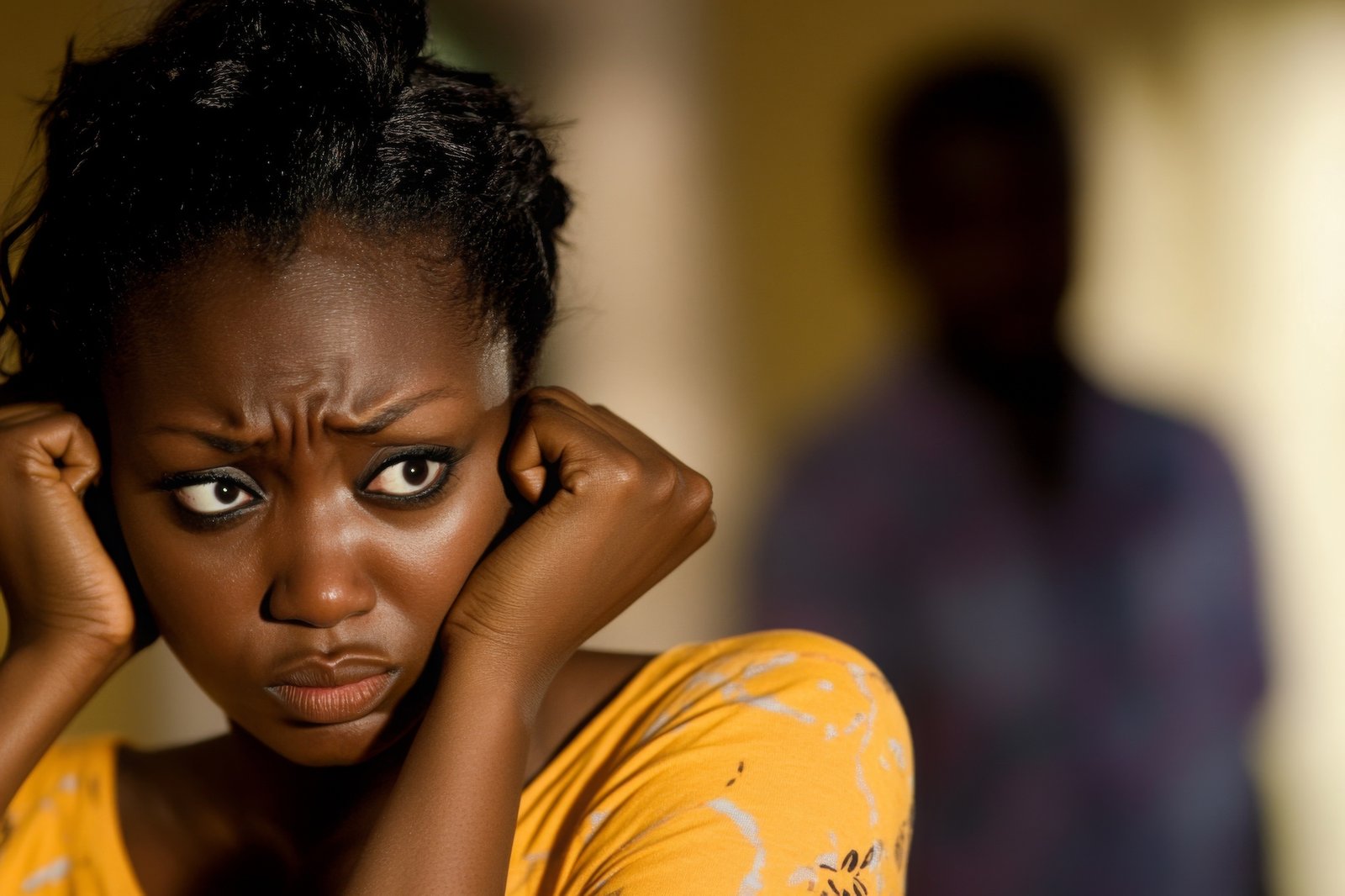
Hey there, friend. Have you ever found yourself in a relationship that left you feeling a bit… uneasy? Maybe your gut is telling you something isn’t quite right, but you can’t put your finger on it. It’s a confusing place to be. One minute they’re showering you with affection, the next they’re making you feel like you’re walking on eggshells. It’s like being on an emotional rollercoaster, and honestly, it’s exhausting. If any of this sounds familiar, this is for you. We’re going to talk about something important: recognising abuse and reclaiming your power.
Understanding the Nuances: It’s Not Always Black and White
It’s easy to fall into the trap of thinking abuse is always obvious—loud arguments, physical violence. But the truth is, abuse is a complex beast, often masquerading as love and care. People who are abusive can be incredibly charming, making it even harder to see the cracks. They might shower you with gifts, tell you how much they love you, and make you feel like the most important person in the world. Then, the other shoe drops. It’s crucial to understand that loving behaviour doesn’t excuse abusive behavior. Forced sex, cruel words, and constant threats are never okay.
Types of Abuse: What to Look For
Abuse comes in various forms, and it’s crucial to be aware of them. Let’s break it down, shall we?
- Physical Abuse: This is probably what most people think of when they hear the word “abuse.” It includes any act of physical harm such as hitting, pushing, shoving, punching, slapping, kicking, or biting. It can also involve using a weapon against you or even threatening to do so.
- Emotional and Verbal Abuse: This type of abuse can be just as damaging as physical abuse, even if there are no visible bruises. It involves behaviours such as putting you down, insulting your appearance or intelligence, humiliating you in front of others, destroying your property, or blaming you for their violent outbursts. The words may seem to chip away at your sense of self, leaving you feeling lost and confused.
- Sexual Abuse: This is when someone forces you to engage in sexual acts against your will, using physical force or threats. This also includes situations where they assume that consent for a previous sex act means you will always consent, or that consent for one act means you consent for others.
- Controlling Behaviour: This can be another subtle form of abuse that many people might miss. This involves controlling who you see, monitoring your movements, demanding your passwords, and wanting you to respond to their messages immediately.
- Threats and Intimidation: Abusers can also threaten to harm you, your children, pets, or other loved ones. They might also threaten to turn you into the authorities for illegal activities if you try to report the abuse. Even threatening to hurt themselves when they’re upset with you can be a form of control.
Red Flags: Are You Walking on Eggshells?
So, how can you tell if you’re in an abusive relationship? Let’s look at some of the common red flags that you should pay attention to.
1. The Constant Monitoring and Demands
Does your partner constantly need to know where you are and who you’re with? Do they demand access to your social media and email accounts? It’s not about love; it’s about control. It’s a way for them to keep you isolated and under their thumb. Are you constantly getting a barrage of texts and calls, demanding immediate replies? It may seem like they care but it’s a controlling tactic to keep you hyper-focused on them, not you.
2. The Green-Eyed Monster: Jealousy and Control
Is your partner constantly accusing you of cheating? Are they intensely jealous and have a quick temper, so you’re constantly wondering what will set them off? Jealousy can feel like intense love at the beginning of a relationship, but it’s a tool that an abuser can use to manipulate. This type of behaviour is designed to make you feel like you have to tiptoe around them, making you smaller so they can feel bigger. Do they control how you spend your money or how you take your medicine or use birth control? Are they making everyday decisions for you, like what you should wear or eat? These behaviours are all about controlling you and making you dependent on them.
3. The Put-Downs: Demeaning Language
Do they constantly insult your appearance, intelligence, or your interests? Does it feel like they put you down all the time? Do they humiliate you in front of your friends or family? These put-downs can slowly erode your self-esteem and make you doubt your worth. Is it always your fault when they have a violent outburst? Do they break or destroy your things? This isn’t just carelessness; it’s about showing you how little they value you.
4. The Power of Fear: Physical Threats and Intimidation
If your partner threatens to hurt you, your children, your pets, or anyone else close to you, that is a clear sign of abuse. If they hurt you, no matter how “minor” it may seem, this is never acceptable. If they have ever threatened to use a weapon, that is a serious red flag. It’s also a warning sign if your partner threatens to harm themselves when they are upset with you. This is a way to manipulate you and keep you in the relationship through guilt and fear. Do they also threaten to turn you in to the authorities if you report the abuse? These threats are designed to keep you silent and trapped.
5. Forced Intimacy
Does your partner force you to have sex or participate in intimate activities against your will? This also includes assuming consent in the future based on past consent. These acts are sexual abuse and are never okay.
Unhealthy Relationships: A Warning Sign
Okay, so maybe the red flags aren’t as clear cut. Maybe you’re not experiencing direct abuse, but things still don’t feel right. It’s important to also be aware of the signs of an unhealthy relationship. These may not be abusive, but they are still not good for you.
Signs of an Unhealthy Relationship
- Obsessive Focus: Do you find yourself focusing all your energy on your partner, to the detriment of yourself?
- Isolation: Have you dropped friends, family, or activities that you once enjoyed?
- Pressure and Control: Do you feel pressured or controlled by this person?
- Imbalance: Do you have more bad times than good in the relationship?
- Unease: Do you often feel scared or sad when you’re with this person?
- Lack of Support: Do you know that this person does not support you or what you want in life?
- Loss of Self: Do you feel like you can’t be yourself or make your own decisions?
- Communication Breakdown: Can’t you talk openly about your needs and problems?
These are all signs of a relationship that isn’t serving you and it might be time to re-evaluate the dynamic.
What Should You Do? Reclaiming Your Power
Okay, you might be reading this and thinking, “This sounds like me. What now?” The first thing to remember is that you are not alone. Many people find themselves in these situations, and there is help available.
Get Support
If you think you might be in an abusive relationship, the first thing you should do is get help. It can be hard to talk about, but it’s essential.
- Talk to Someone You Trust: This could be a trusted friend, family member, counsellor, or religious leader. Just telling someone about what’s going on is the first step in taking control.
- Contact a Helpline: There are people who are trained to help you, you don’t have to go through this alone. You can reach out to a domestic abuse helpline that can offer advice, resources, and a safe space to talk.
- Create a Safety Plan: If you feel unsafe, start making a safety plan. This might involve having a safe place to go to, having money hidden away, or packing an emergency bag with essentials.
- Prioritise Yourself: Remember, your safety and well-being come first. It’s okay to put yourself first and make decisions that protect you.
- Consider the Relationship: If you think you are in an unhealthy relationship, try talking with your partner about your concerns. If this seems difficult or impossible, then speaking to someone you trust is a good option.
Moving Forward: You’ve Got This
Recognising abuse or an unhealthy relationship can be tough, but you have the power to take control of your life. You deserve to be in a relationship that is healthy, respectful, and loving, where you feel safe and valued. It won’t be easy, but you don’t have to go through it alone. The journey may be difficult but you are strong, capable, and deserving of happiness.
Remember this: It’s not your fault, and you have the right to a life free from fear and control. It’s time to break free from the chains and choose yourself. You’ve got this.
