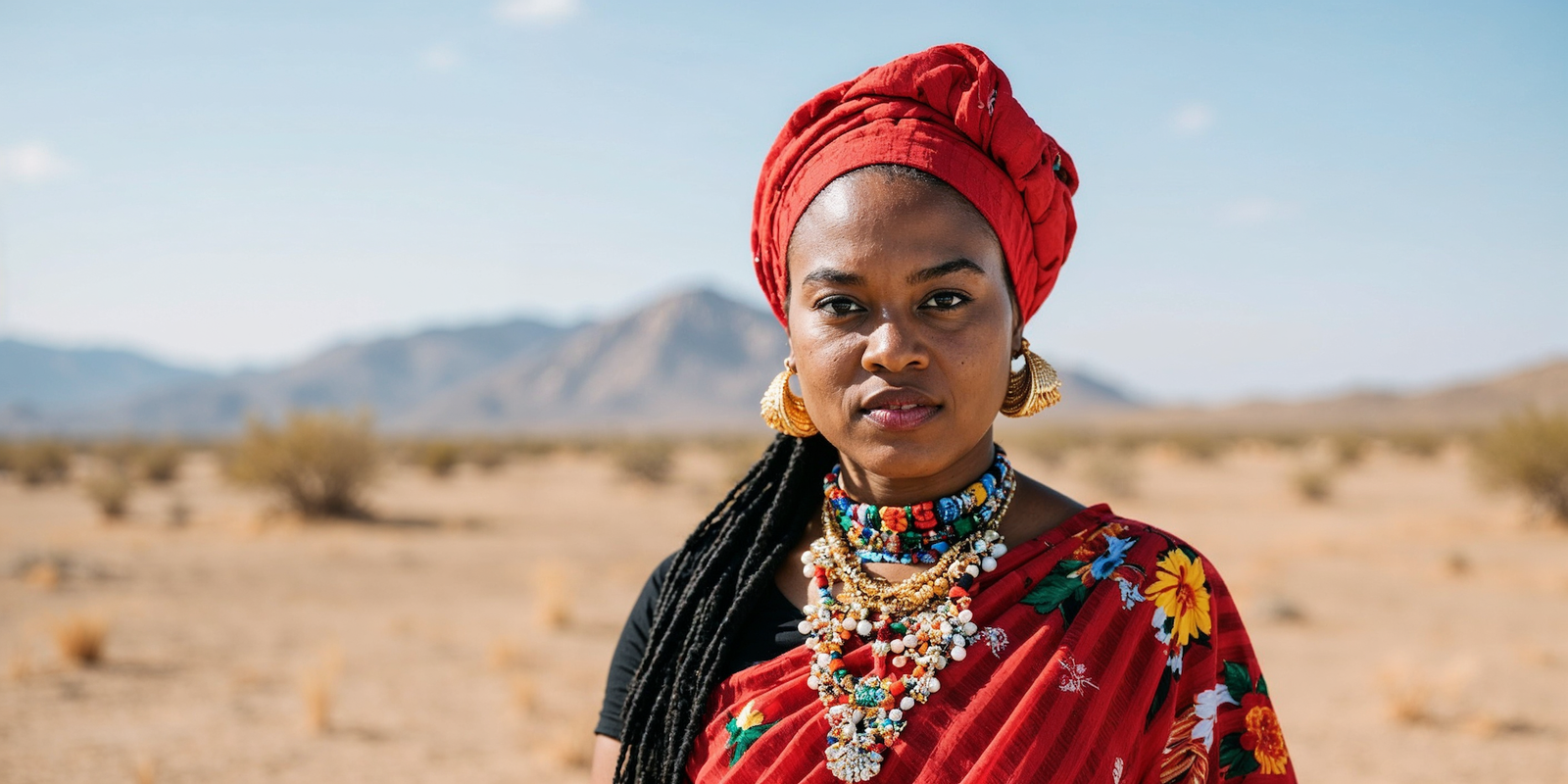
Hey, my dear sisters! How are we all doing today? Let’s have a heart-to-heart about something that touches each and every one of us – our health. As African women, we often juggle so much – families, careers, community responsibilities and more. It’s time we shine a light on some important health topics, create a safe space to talk about them, and empower each other to thrive. Have you ever felt like you’re carrying the weight of the world? Well, you’re not alone, and it’s time to start talking openly about our bodies and our health.
Why is it So Important to Talk About Women’s Health?
We all know that women’s health is often shrouded in silence, but why is that? There’s a lot of stigma around things like periods, eating disorders, gender-based violence and reproductive health issues. Many of us don’t feel comfortable discussing these very real issues. But, half the world’s population will experience many of these health issues. Talking about these things helps all of us to learn more and feel more comfortable with these experiences. When we share our stories, we break down barriers and create communities that are more supportive and understanding.
The Power of Open Conversation
It’s important to remember that there’s immense power in open conversation. When we talk about our experiences, we realise that we are not alone. And that by sharing and listening we all learn and gain understanding. Sharing tips for managing cramps, understanding how our cycles affect us, or discussing the signs of an eating disorder can make a huge difference. It’s not just about sharing the challenges, it’s about lifting each other up and showing support.
Normalising the Conversation
Let’s be honest, many of us were taught to keep quiet about our bodies and our health issues. But we can change that. It’s time to normalise conversations about periods, reproductive health, and mental health, creating safe spaces where we can all feel comfortable. Remember, health isn’t just physical, it’s also mental and emotional.
Periods: It’s Not Just a Monthly Thing
Let’s start with periods – that monthly visitor that we all know so well. It’s a natural process, but many of us still feel uncomfortable talking about it. Every woman’s cycle is different. Some of us experience painful periods, mood swings, or heavy flow, while others have few or no symptoms.
Understanding Our Unique Cycles
There’s no one-size-fits-all with periods. Our cycles can change throughout our lives due to things like age, stress, birth control and pregnancy. A typical menstrual cycle is around 28 days, but it can range from 24 to 38 days in adults and 21 to 45 days for adolescents. The amount of blood flow also varies; some of us might lose 1 tablespoon, while others might lose up to 6 tablespoons. It’s important to remember that everyone’s experience is different.
More Than Just Cramps
Up to 80% of women experience menstrual cramps, and for 5–10%, these cramps can be severe enough to interfere with daily life. And then there’s PMS. Around 90% of menstruating women have some form of PMS, which includes mood swings, bloating, and headaches. Learning to manage these symptoms, and understanding the changes to our bodies and cycles is so important.
Actionable Insight
Keep track of your cycle; notice how your body changes, what your flow is like, what your moods are like, and what, if any, symptoms you have. By keeping track, you can learn to better manage and cope with your cycle. And always remember, if you have concerns, speak to your healthcare provider.
Eating Disorders: They Don’t Discriminate
Eating disorders are serious mental and physical health conditions that affect a lot of people. Eating disorders don’t discriminate. They affect people of all ages, races, ethnicities, gender identities, sexual orientations, body shapes, abilities and socioeconomic statuses.
Breaking Down Stigma
There is a strong stigma associated with eating disorders, and that stigma can be harmful to those experiencing these conditions. It’s so important for us to set aside our biases and learn the risk factors and signs of eating disorders, so that we can support our friends and loved ones who might be struggling.
The Need For Understanding
Let’s make sure we are all well-informed and understand the complexities of these conditions. Our communities should be a place where everyone feels safe, valued, and supported. And that means understanding and compassion are key.
Actionable Insight
If you suspect that you, or someone you know, is struggling with an eating disorder, speak up and seek help. Early intervention is essential. Educate yourselves and each other about this serious issue.
Gender-Based Violence: It’s Never Okay
Gender-based violence (GBV) is any harmful act directed at someone because of their actual or perceived sex, gender, gender identity, sex characteristics, or sexual orientation. This can include physical, sexual, or emotional abuse, as well as harassment, coercion, and human trafficking.
The Devastating Impact of GBV
GBV can lead to significant physical and emotional distress, increasing the risk of substance abuse, depression, eating disorders, chronic panic, and stomach and gut problems. We have to understand that GBV survivors often carry deep wounds, and need our full support and understanding.
What Are We Going to Do About It?
Many federal agencies are working to strengthen access to essential services like education, jobs, housing, healthcare, and childcare, all of which can help to reduce GBV rates. But we also need to get involved as individuals and communities. Everyone has the right to live free from the threat of gender-based violence.
Actionable Insight
If you or someone you know is experiencing any form of GBV, please know that help is available. You can reach out to the National Domestic Violence Hotline, which offers free and confidential 24/7 support, or if you are or have been a victim of human trafficking, you can reach out to the National Human Trafficking Hotline. We can all work together to create a world free from GBV.
Reproductive Health Conditions: More Common Than You Think
Many women experience conditions that affect their reproductive organs, which can lead to pain, discomfort, and problems getting pregnant. Conditions like endometriosis, polycystic ovarian syndrome (PCOS), and uterine fibroids are very common.
Endometriosis: The Hidden Pain
Endometriosis affects 1 in 10 women. This is when tissue similar to the lining of the uterus grows outside of the uterus, causing severe pain and fertility issues. Symptoms can include painful periods, pain with intercourse, bleeding between periods, or pain when peeing or pooping. Often, women’s pain is dismissed or belittled, which leads to delays in diagnosis.
PCOS: A Common Hormone Imbalance
Polycystic ovarian syndrome (PCOS) affects 6–12% of women. It’s caused by hormone imbalances that can cause irregular periods, skin and hair growth changes, abnormal growths in the ovaries, and fertility issues. Again, because women’s health concerns are often not taken seriously, it can take time to be properly diagnosed.
Uterine Fibroids: Growths Inside the Uterus
Many women also experience uterine fibroids, which are growths on or inside the uterus. They are not cancerous, and many women have no symptoms, but some experience heavy or longer periods, pain in the lower abdomen or back, and discomfort associated with going to the bathroom.
Taking Our Health Seriously
These conditions, and many others, are all more common than we might think. It’s vital that healthcare providers listen to women’s experiences, offer support, and don’t dismiss our concerns.
Actionable Insight
If you think you might have a reproductive health condition, do not hesitate to get checked by a medical professional. Early diagnosis and treatment are crucial for managing symptoms and improving reproductive health.
Let’s Make a Change Together
There are so many other health conditions that women face, from mental health challenges to breast cancer. Each has its challenges, but support and understanding make all the difference. Let’s change how we think about women’s health issues. By talking about these things openly, we can fight the stigma and support our sisters.
Taking a Stand
Let’s create a space where we all feel comfortable with our bodies and the health challenges we face. Whether you ask questions, share your story, or simply listen, every little bit helps. Remember, talking about women’s health is not just for women, it’s for everyone. We’re all in this together, and together, we can make a real difference.
Final Words
My dear sisters, your health and wellbeing are so important. Don’t ever let anyone tell you otherwise. This is our time to take control of our lives, our bodies, and our future. Speak up, seek help when you need it, and support each other along the way. Remember, you are not alone, and you deserve a healthy, happy life.
