
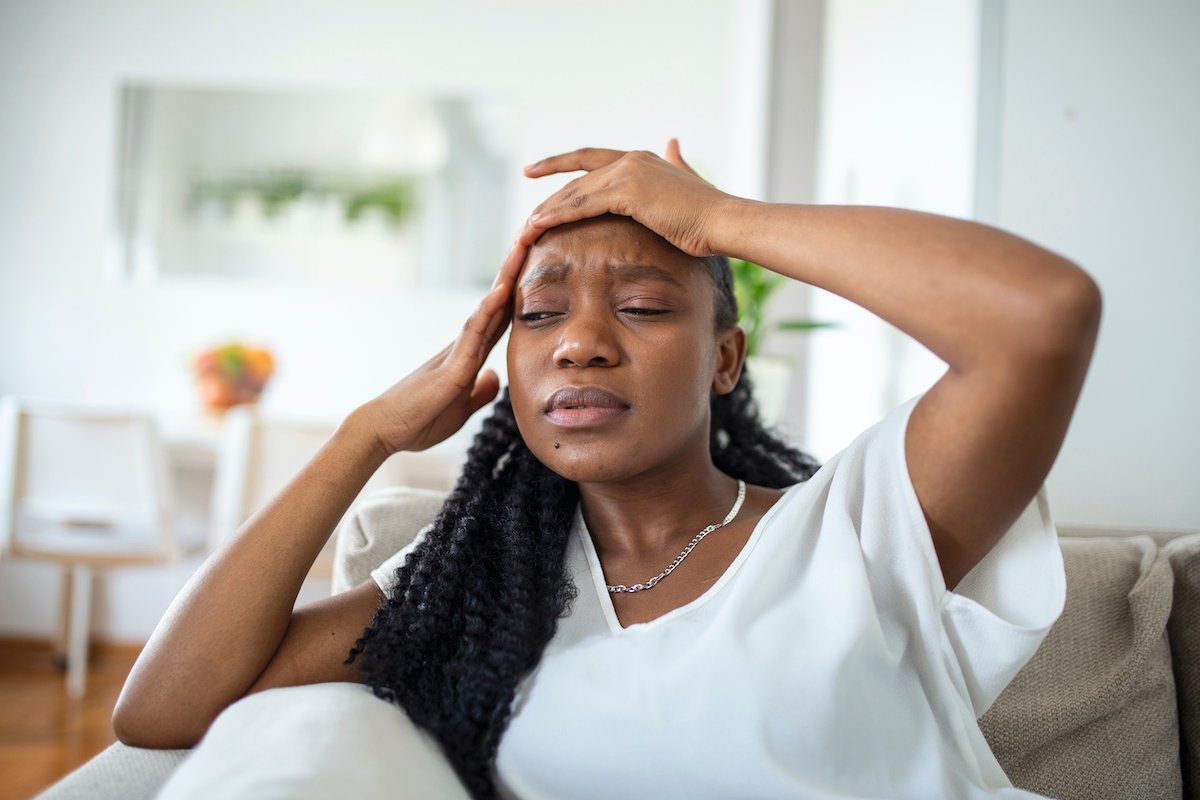
Getting through menopause can be a real rollercoaster for women, with all kinds of physical and emotional twists and turns. But don’t worry, it’s something you can tackle head-on with a bit of knowledge and support.
Common Physical Symptoms
Menopause can throw a variety of physical surprises your way. Here’s a peek at what many women face:
| Symptom | Description |
|---|---|
| Hot Flashes | Out of nowhere, you might feel like someone cranked up the heat, especially in your face, neck, and chest. |
| Night Sweats | Waking up drenched, with sweat-soaked sheets, which can mess up your sleep. |
| Vaginal Dryness | Things might feel a bit arid down there, sometimes making intimacy uncomfortable. |
| Irregular Periods | Your monthly visitor might become unpredictable, showing up early, late, or not at all. |
These changes can sometimes feel like they’re running the show. If you want more tidbits on what menopause throws at you, check out our guide on early menopause signs.
Emotional Symptoms
Menopause doesn’t just bring in physical changes; it can also stir things up emotionally:
- Mood Swings: It’s like your emotions are on a swing, and you never know which way they’re going to go.
- Anxiety: Feeling edgy? Your brain might conjure up worries and fears that can throw you off balance.
- Depression: Sometimes it’s like you’re stuck under a cloud that’s hard to shake, sapping joy from things you used to love.
These emotional waves are courtesy of hormone shifts. They might be mild, but they can sometimes catch you off-guard. Heading into this phase, it’s important to keep an eye on your mental health, especially if you’ve struggled in this department before (Harvard Health Publishing).
Getting the hang of what menopause does, both to your body and mind, sets the stage for tackling it better. Recognizing these shake-ups and getting a bit of help means you can breeze through with more grace and less dread. And if you’ve bumped into issues like menopause weight gain or menopause joint pain, it might be time to call in the advice of healthcare pros tailored just for you.
Hormone Therapy for Menopause Symptoms
Oh, the joys of menopause – as if adulthood wasn’t challenging enough, right? Suddenly, you’re hit with a wave of unexpected hormonal shifts that bring along a slew of symptoms. But don’t you worry, hormone therapy is here to be your sidekick, ready to make this rollercoaster a bit smoother. Let’s jump into the two main players: estrogen and progesterone therapy, and the solo act, estrogen-only therapy.
Estrogen and Progesterone Therapy
Think of estrogen and progesterone therapy as the dynamic duo tackling those pesky menopause symptoms. It’s like getting the best of both worlds to fight off hot flashes, night sweats, and that oh-so-welcome surprise of osteoporosis prevention. If you’ve still got your uterus, this is your go-to therapy. Now, a little chat with your doctor about the ups and downs of this combo is a good move – kind of like discussing dinner plans but way more important.
Estrogen-Only Therapy
On the other hand, if you’ve had your uterus surgically retired, estrogen-only therapy might be right up your alley. It’s effective at silencing those hot flashes, cheering up mood fluctuations, and sorting out sleep and vaginal dryness. Consider it a hormone top-up during this phase of life, and again, chatting with your healthcare provider will ensure the right fit for your body’s needs.
Whether you’re teaming them up or flying solo, both therapies can help manage menopause symptoms and bring some peace to your day. Armed with your symptoms and medical history, a healthcare professional can guide you to the hormone solution that fits just like your comfiest pair of shoes.
Need more scoop on managing menopause? Browse through our other reads about perimenopause symptoms, early menopause signs, menopause weight gain, and menopause joint pain. You’re not in this alone – loads of support and treatments are out there, ready to help you cruise through this phase with a little more ease and a lot more smiles.
Duration of Menopause Symptoms
Curious about how long menopause can mess with your routine and when you’ll finally be able to breathe easier? Knowing a bit about how menopause works can really help make this bumpy ride smoother. Let’s have a little chat about how long you might be dealing with menopause symptoms and what life looks like once you’re through to the other side.
Prolonged Symptoms
First things first, these symptoms might stick around longer than an unwanted house guest. Some women wrestle with menopause for up to 10 years before officially crossing over into menopause territory, with most folks dealing with symptoms for about seven years (Cleveland Clinic). These symptoms can be as varied as a box of chocolates—hot flashes, night sweats, mood swings, and sleep struggles can all make an appearance.
If your menopausal symptoms are cramping your style and everyday life feels like a battle, don’t tough it out alone. Chat with a healthcare provider. They’ve got a toolbox full of options like lifestyle tweaks, hormone therapy, or other treatments that can be custom-fit to your situation.
Postmenopausal Relief
Once you’ve gone a full year without any periods or spotting, congrats, you’re in postmenopause! For many women, this means a bit of relief as hormone levels calm down, and those relentless symptoms start taking a back seat (Mayo Clinic). The good news? Things like hot flashes and mood swings often ease up, and vaginal discomfort tends to improve.
But it’s not all sunshine and daisies in postmenopause. This phase carries its own set of challenges, like a higher chance of certain health conditions (Mayo Clinic).
Getting through menopause might feel like steering through rough waters, but forewarned is forearmed. Every woman’s menopause ride is unique, and with the right support, you can conquer this phase with more ease and a heck of a lot more confidence.
Managing Menopause Symptoms
Lemme tell ya, when it comes to dealing with the ups and downs of menopause, being on top of things can make your life better during this phase. Two solid moves you can make are jotting down your symptoms in a journal and tweaking how you live.
Journaling Symptoms
Whipping out a journal to scribble down what’s happening with your body during menopause can be a solid move. It helps you see what’s going on and spot the things that might make your symptoms spike. Not only does it provide a record of your experience, but it also gives you clues about what might need changing to ease some of that discomfort.
Lifestyle Adjustments
Tweakin’ your daily grind can make handling those menopause symptoms a whole lot smoother. Here’s the lowdown on what you might wanna shuffle around for a better experience:
| Lifestyle Adjustment | Impact on Menopause Symptoms |
|---|---|
| Get Moving | Shakes off bad moods, brings on better sleep, and keeps you in good shape |
| Eat Smart | Helps you keep a healthy weight and gives you those all-important nutrients for hormonal balance |
| Chill Out | Keeps anxiety at bay and keeps your mind in a good place |
| Catch Those Zzz’s | Helps with sound sleep and fights off tiredness and bad moods |
| Skip the Caffeine | Keeps those hot flashes from playing up and helps you sleep better |
Besides those tweaks, doing a bit of yoga, some deep breathing, getting a massage, or trying out acupuncture can really make a difference in taking the edge off menopause symptoms. Mix these things into your day-to-day, and you’re likely to feel a lot more balanced as you ride the waves of menopause.
Keep in mind, menopause is different for everyone. What works for your friend might not work for you, so tailor your symptom management to what suits you best. Keeping tabs on how you’re feeling and reaching out for expert advice when you hit a wall is a smart move. It helps you make sense of the changes and embrace this new chapter with a positive vibe.
Mental Health During Menopause
Getting through menopause can be like riding an emotional rollercoaster. During this time, lots of women experience changes in their mental health. Understanding how your mood and feelings might shift is key to handling this phase with a bit of ease and strength. The main emotional ups and downs to watch out for? Mood changes, plus anxiety and depression.
Mood Changes
Mood changes during menopause are about as common as rainy days in the UK. Around four out of ten folks going through this phase might feel irritable, tired, sad, or find it hard to concentrate (UCLA Health). These swings in emotion can make it a bit tougher to get through the day, affecting your relationships and work-life. But don’t worry! It’s totally normal to feel this way, and reaching out for support or finding self-care tricks can make a world of difference.
Now, about those hormones—these little rascals are the ones to thank. The hormonal changes like fluctuations in progesterone and estradiol during menopause have their fingers in the pie when it comes to heightened feelings of sadness (Harvard Health Publishing). Understanding how these hormones and your mood are linked can really help you take control of your emotions during this time.
Anxiety and Depression
Anxiety and depression often tag along during menopause, especially if you’ve had mental health struggles in the past. The big hormonal shifts that come with menopause can affect your mood both during the change and after it has settled down (UCLA Health). Anything from heightened anxiety to feeling blue can pop up.
There’s more to it than just hormones, though. Worries about getting older, changes in fertility, what society expects, and everyday stress can add to the emotional load during menopause (UCLA Health). If you’ve faced depression or anxiety before, you might find menopause hitting your mental health a bit harder.
While mood swings and anxiety are par for the menopause course, getting some professional help or looking into treatments can really help keep these feelings in check. There’s a range of ways to tackle mental health snafus at this time, from therapy to medication. Check out more about how you can handle these emotional hurdles in our article on treatment options for mental health. It’s all about finding ways to support yourself through this phase of life.
Treatment Options for Mental Health
So, you’re finding yourself in the whirl of mood changes, anxiety, or depression during menopause, huh? No worries, you’re not alone and there are plenty of ways to tackle these pesky symptoms head-on. Two go-to strategies that people rave about during this phase are cognitive behavioral therapy (CBT) and antidepressants.
Cognitive Behavioral Therapy
Imagine kicking those bothersome menopausal symptoms, like hot flashes or tossing and turning at night, to the curb. Sounds dreamy, right? Well, according to gurus over at UCLA Health, CBT is your ally here. This therapy zooms in on unhelpful thoughts and actions, flipping them around to ease your emotional turmoil.
Particularly during menopause, CBT shines in tackling those sweaty nights and mood swings. Picture this: just four to six sessions could see you feeling a whole lot better and might improve how you generally feel.
Antidepressants
Feeling like the blues just won’t quit, or maybe anxiety is cramping your style during menopause? Enter antidepressants, your potential secret weapon. They’re not just for keeping moods in check; according to UCLA Health, they can even dial down those pesky hot flashes.
These meds might seriously boost how you feel day-to-day, making them super handy when menopause turns everything topsy-turvy. Chatting with a healthcare whizz about which antidepressant and dose suits you is key to sorting out your symptoms.
Sure, mood swings are part of the hormonal cocktail that is menopause, but changing up the way you live and seeking support are big-time helpers too. If the emo rollercoaster is getting a tad wild, it’s wise to look for professional guidance. Tracking your moods, breaking a sweat (even just a little!), getting decent shut-eye, and finding ways to de-stress all pile up to boost mental mojo during this changeover period.
Picture a checkered flag waving you down a path lined with therapy, maybe some meds, and heaps of self-love and care. That’s the journey to getting through menopause with a bounce in your step. Don’t forget, reaching out for support and making moves to keep your mental health in gear is the name of the game at this life junction.
