
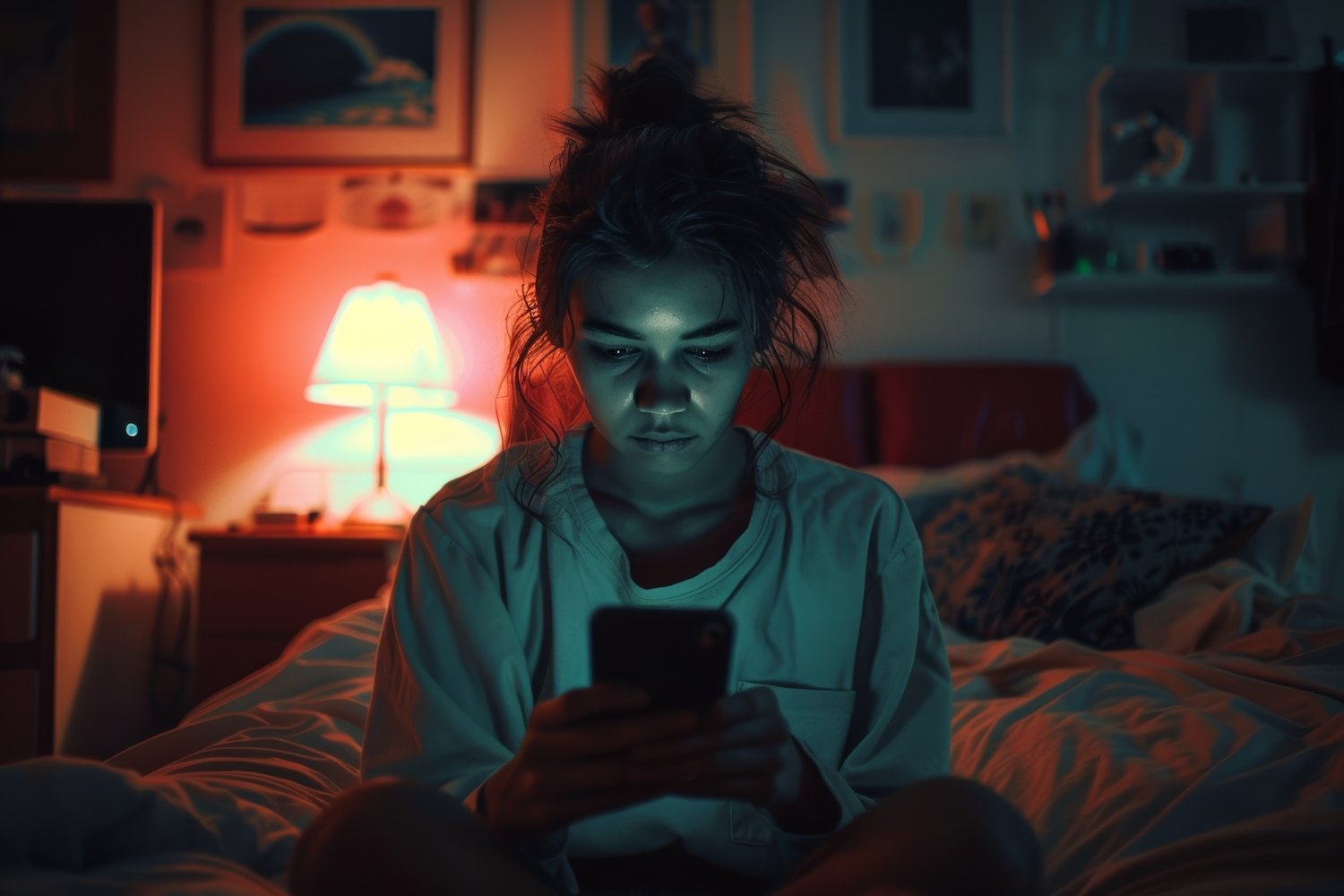
Alright, “my people,” gather round! “Leo tunaongea story ya usingizi” – or rather, the lack of it! You know that thing where it’s way past your bedtime, “unajua fiti kabisa unapaswa kuwa umelala” you know very well you should be asleep, but there you are, phone in hand, scrolling like your life depends on it? “Ama” maybe you’re on “episode ya tano” of that series you swore was “just one more”? If this sounds like your life, “karibu club!”
It’s a modern-day mystery, “haki.” The clock is shouting “LALA!” (SLEEP!), your eyes are feeling heavier than a “gunia ya mahindi”, but your brain is like, “Nope, not yet! One last TikTok! One more email! Let me just quickly Google why cats purr…” We call this “sleep procrastination,” and sometimes, “revenge bedtime procrastination” – “ni kama unalipisha siku kisasi” for all the time that wasn’t yours.
We often blame it on a lack of self-discipline, “ati kichwa ngumu tu.” And that “revenge” part sounds like we’re being defiant, “eh?” But “manze,” there’s something deeper going on. It’s a whole mix of things – how our brains are wired, our daily habits, “psychology yetu,” even our “genes” sometimes. “Science mob hapo ndani!” So, let’s figure out why we Kenyans sometimes treat sleep like that “relative anakuja kukaa kwako bila notice” (relative who comes to stay at your place without notice) – something to be avoided!
“Sasa Shida Ni Nini Haswa?” – Why We Play Hide & Seek with Sleep
So, what exactly fuels this “rebellion” against our beds? Let’s break down some of the main culprits:
1. “Nataka Control Yangu!” – The Autonomy Angle
Our days are often dictated by “lazima ufanye hivi, lazima uende pale” – work, family duties, social commitments. By the time night comes, we’re craving some control. Delaying bedtime can feel like a small act of rebellion, a way to reclaim a few precious moments for ourselves. “Unajishikilia your own time, unaambia kesho ‘chill kiasi’.” It’s that “tomorrow aversion” the “wazungu” (foreigners/experts) talk about – putting off the start of another demanding day.
2. “Raha ya Leo > Afya ya Kesho” – Short-Term Wins
Our brains are funny things. They often prefer a small, immediate reward (like watching another funny cat video) over a bigger, delayed reward (like feeling rested and healthy tomorrow). This is called “delay discounting.” “Ni kama kuambia mtoto achague peremende moja sasa hivi ama peremende tano kesho – atachukua ya sasa!” (It’s like telling a child to choose one candy now or five candies tomorrow – they’ll take the one now!). We get caught up in the “raha ya sasa” (pleasure of now) from that extra episode or endless scroll, forgetting the long-term “faida” (benefit) of good sleep. “Tunapenda vitu za haraka haraka.”
3. The “Vicious Cycle” Trap: Sleepy Brain, Bad Choices
Here’s the “noma” part: bedtime procrastination usually kicks in when our regulatory resources – our willpower and self-control – are already running low “juu umechoka” from the day. And guess what makes those resources even lower? Lack of sleep! So, when you’re sleep-deprived, your ability to resist the urge to procrastinate sleep gets even weaker. “Ni kama kujichimbia shimo mwenyewe.” You delay sleep, get less rest, become more impulsive, which makes you even more likely to sacrifice sleep again. The cycle continues, “na unazidi kuchoka.”
4. “Tired Lakini Kichwa Bado Inawaka” – Stress & Overstimulation
You know that feeling? Your body is screaming for rest, “lakini akili bado inarun marathon.” Stress is a major player here. Instead of feeling relaxed at night, we can feel mentally overstimulated, making it incredibly hard to unwind. Stress also messes directly with our sleep quality. Sometimes, we even delay sleep to avoid the stress of thinking about unfinished tasks or “shida za kesho.” That mental “rumination,” just replaying worries in your head, often leads to pushing bedtime later and later, trying to escape the day’s anxieties.
5. The Dopamine “Fix”: Why Your Phone is So Addictive at 1 AM
Our brains have a reward system, and “mambo ya social media, TV, na online games” (things like social media, TV, and online games) are like “dopamine fast food.” These activities trigger the release of dopamine, a “feel-good” chemical, in our brains. This reinforces the behaviour and makes us want to keep scrolling, keep watching, keep playing. “Inakuita kama kuku!” That dopamine-driven motivation for immediate gratification often overpowers the sensible, future benefits of a good night’s rest. Your brain is basically saying, “More memes, please!” even when your body is begging for “doze.”
6. “Saa Ya Mwili Imechanganyikiwa” – Circadian Rhythms Out of Sync
Our bodies operate on an internal clock, the circadian rhythm, which tells us when to sleep and when to wake up. This “saa ya mwili” is influenced by things like light and darkness. But in our modern world, a major culprit for messing this up is the blue light from our phones, tablets, and computers. This blue light “inapiga stop” to the production of melatonin – the hormone that signals sleep readiness – making our bodies think it’s still daytime, even when it’s “usiku wa manane” (deep in the night).
7. The “Crash Point” Delusion: Thinking You Can “Catch Up”
Throughout the day, a chemical called adenosine builds up in our brain, creating “sleep pressure” – that feeling of needing to sleep. When we sleep, this pressure is released. It’s a natural cycle. However, all those “incentives” to stay awake (that series, that work, that “muchene” online) can make us override this biological signal. When we deprive ourselves of sleep, the pressure builds and builds. Eventually, we crash, and the body seeks deep, restorative sleep. But here’s the catch: this “crash” often fails to fully compensate for the lost sleep and the cumulative negative health effects of ongoing sleep deprivation. “Huwezi lipa deni ya usingizi vile unaweza lipa deni ya M-Shwari.” (You can’t pay a sleep debt like you can pay an M-Shwari debt).
8. “Morning Larks vs. Night Owls” (Na Society Inapendelea Larks!)
Some of us are “morning larks” – we wake up early, full of energy, and are ready for bed early. Others are “night owls” – we get our energy boost in the evening and naturally want to sleep later. Our “chronotype” affects how quickly that sleep pressure builds. For night owls, the urge to sleep comes much later, and they often struggle to wake up early for “9-to-5” life. In this case, sleep procrastination can be fuelled by a biological mismatch with societal schedules that tend to favour morning people. “Ni kama kuforce leftie aandike na right!” This “social jetlag” makes it harder for owls to stick to an “acceptable” bedtime.
“Sasa Tufanye Nini?” – How to Reclaim Your Sleep, My Friend!
“Aki,” staying up late for that “me time” or to finish “ile kazi kidogo imebaki” (that little remaining work) might feel good in the moment, but the long-term “madhara” (consequences) are significant. We’re talking about everything from a weaker immune system to “akili kuchoka” (mental fatigue) and just generally feeling like a “zombie.” So, “tunaweza fanya nini” (what can we do) to break this cycle?
Here are some “life hacks,” Kenyan style:
- Digital Curfew – “Simu Weka Kando!”: At least one hour before bed, “achana na simu, tablet, laptop.” That blue light is not your friend at night. “Acha hizo DMs za usiku!”
- Relaxing Pre-Sleep Routine – “Chill Kiasi”: “Tafuta kitu ya ku-relax before usingizi.” Read a real book (not on a screen!), take a warm bath, listen to calm music, do some gentle stretches. Signal to your body that it’s time to wind down.
- Good Sleep Hygiene – “Bedroom Ni Ya Kulala Tu!”: Keep your bedroom cool, dark, and quiet. And please, “usifanyie kazi kwa bed!” Your bed should be for sleep and, well, other “bedroom activities” – not for spreadsheets!
- Clear Work Boundaries – “Kazi Baadaye!”: Designate a specific time to stop working each day. “Weka time ya kuacha kazi.” After that time, “ni wewe na Mungu” (it’s you and God) – work can wait.
-
Use Sleep Trackers Wisely – “Usi-Obsess!”: Those fancy gadgets can be helpful, “lakini usianze ku-obsess na hizo data.” Trust your body’s natural rhythms more. “Skiza mwili yako.”
- Time Your Consumption – “Watch Your Mouth (and Stomach)”: “No kahawa, chai strong, ama chakula mingi” at least six hours before bedtime. These can interfere with your sleep big time.
- Limit Social Media – “Acha FOMO Ikutese Baadaye”: “Weka time maalum ya social media.” Avoid the endless scroll and the “Fear Of Missing Out” trap, especially before bed.
- Practice Time Management – “Panga Mambo Mchana”: Try to manage your tasks better during the day to avoid that nighttime pressure to finish things up. “Panga mambo yako mchana ndio usiku usiwe na stress.”
- Adopt a Consistent Sleep Schedule – “Kua Kama Saa”: “Jaribu kulala na kuamka” at the same time every day, “hata weekend!” This helps regulate your body clock.
- Adjust Bedtime Slowly – “Pole Pole Ndio Mwendo”: If your bedtime is way off, try to go to sleep just 15 minutes earlier each night “until ufike your ideal sleep time.” Small steps work best.
“Mwisho Wa Siku: Usingizi Ni Dawa, Si Adhabu”
“Manze,” that “me time” we crave at night is important, “hatukatai” (we don’t deny it). But if it always comes at the expense of sleep, the “me” you become the next day might be a tired, grumpy, “unable to function” version. And that “zombie time” the next day? “Sio poa.”
Sleep isn’t a punishment or a waste of time; “usingizi ni dawa.” It’s essential for our health, our mood, our “akili.” So, let’s try to make peace with our pillows. Start small, pick one or two tips, and see how it goes. “Unaweza shinda hii vita!” (You can win this war!).
